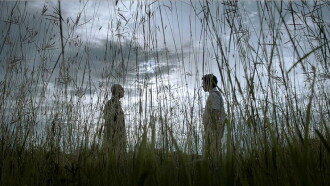
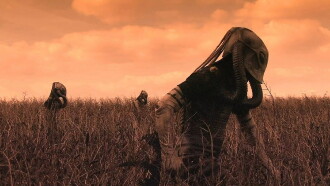
OPERA MORTEM is a medium-length film with strong surrealist/dadaist influences where distorted and disturbing images are shown without a real narrative thread which could be a visual dream of death that intersects the story of a suicidal girl and a necrophiliac killer. According to some theological scholars, the film hides a metaphorical evocative code of a satanic ritual. But perhaps David Fleas only followed the manifesto of the Dadaist movement, between anarchist, nihilistic and sarcastic ideas, giving voice to the search for that absolute freedom that art demands.
A photographer's obsessive pursuit of dark subject matter leads him into the path of a serial killer who stalks late night commuters, ultimately butchering them in the most gruesome ways.
A young woman's visit to her grandparents' home leads to the discovery of what's brought them happiness, a revelation that will lead her to question her choices, sanity and reality itself.
Desperate to find a subject for his next novel, Ernesto Navarro follows the tracks of a mysterious killer, a man obsessed with drinking human blood and becoming immortal.
Composed of three episodes—titled Kali, Shakti, and Devi—and linked within a narrative framework, it tells the story of the Taylor-Eriksson group, its members, and their extreme practices in search of awareness and liberation from karma.
Abel Hradscheck, the owner of an inn in the Oderbruch country, faces financial ruin. For this state of affairs, Ursula, his wife and former actress, is by no means free of blame.
A film demonstrating steps to take in the event of a nuclear attack. Animated drawings show the effects of atomic explosions in the air and at ground level.
Sam and Buddy, two highway robbers, join with Colonel Quint, a big crook, who sold his services to Morgan, the banker, in order to free Baby, the banker's daughter, abducted by Espartero and his killers gang.
The story of a peasant whose harshness and bluntness only provoke disputes and anger, and his honesty and sense of truth and honor in conjunction with the previous qualities only exacerbate these disputes.