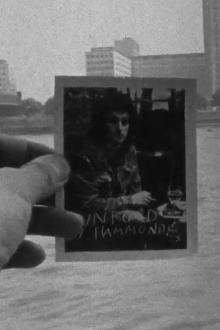
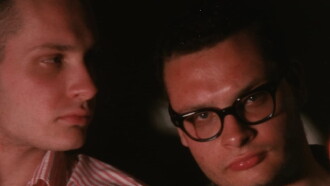
Roger Hammond’s silent portraits of film artists from the early 1970s were shot in and around David Larcher’s studio. Some Friends begins with a Polaroid photograph of fellow Co-op filmmaker Mike Dunford held before the camera by the filmmaker as he pans the camera upwards with his other hand. The photograph is held roughly in the centre of the frame, and the general situation in which it is filmed is just seen at the sides of the photograph as the camera pans. The same action is repeated with several photographs, against different backdrops (the river banks, a lawn, a domestic interior).
Zdenek Pešánek created the first public kinetic sculpture, for the power station in Prague. This short experimental film focuses on a kinetic sculpture by Zdenek Pešánek.
Lake gazes down at a still body of water from a birds-eye view, while a group of artists peacefully float in and out of the frame or work to stay at the surface.
In support of experiences that are essentially common, but to which language does not easily adhere, the video passes through places that are both themselves, and stand-ins for others.
A day in the city of Berlin, which experienced an industrial boom in the 1920s, and still provides an insight into the living and working conditions at that time.
Jim Moir (aka Vic Reeves) explores Video Art, revealing how different generations ‘hacked’ the tools of television to pioneer new ways of creating art that can be beautiful, bewildering and wildly experimental.
Shenzhen River (the border btw Hong Kong and Shenzhen), and the Second Line of Shenzhen Special Economic Zone (the border between Socialism China and Capitalism China) were compared to the Berlin Wall.
Video essay ‘Rock and Cliff' investigates the creation of Horn Town, a new model village and centre of large scale tourist development, and the experiences of rural residents moved there through government-led displacement.
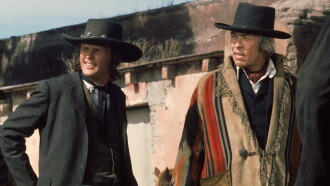
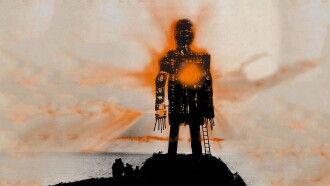
Popular movie trailers from 1973
These some of the most viewed trailers for movies released in 1973:
Abel Hradscheck, the owner of an inn in the Oderbruch country, faces financial ruin. For this state of affairs, Ursula, his wife and former actress, is by no means free of blame.
In this film the director's recurring concerns return: the divisions in the Chilean left, and its contradictions between what the director calls the "traditional" and the "revolutionary" left.