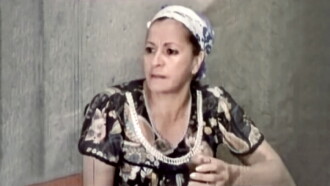
The film mixes fiction, filmed documents and interviews which recounts the arrival in Paris of an Algerian immigrant lost in the metro. On December 27, 1968, France and Algeria signed an agreement which admitted each year 35,000 Algerian workers to French territory in the France of the Trente Glorieuses where the annual growth rate reached 5% and where factories lacked workers. Candidates obtain a residence permit valid for 5 years for themselves and their families. Paris is committed to improving professional training and housing conditions for immigrants, too often confined to the most thankless jobs and often housed in slums. A testimony on the living conditions of emigrant workers "economic cannon fodder" of neocolonialism which simultaneously develops its alter ego, institutionalized racism, as a tool of social stagnation and division of the proletarian class.
Despite his lack of political convictions, photojournalist Bruno Forestier is roped into a paramilitary group waging a shadow war in Geneva against the Algerian independence movement.
In deep introspection, a Black actor sought for some answer when he found his childhood computer, he explores a video game he started creating when he was 11, when he didn't see himself as being black, but as orange.
At a creative firm somewhere in Stockholm, there's a short break in a meeting. Cecilia relates an anecdote from a hen party, about a 'Turk kiosk' that turned out to be closed.
On 24th August 1992 in the eastern German city of Rostock, a rampaging mob, to the applause and cheering of more than 3,000 bystanders, besieged and set fire to a residential building containing, among others, more than 120 Vietnamese men, women, and children on what has since become known as "The Night of the Fire.
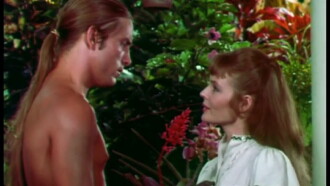
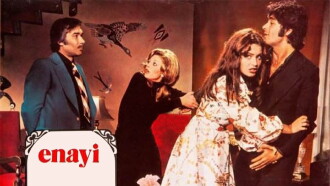
Popular movie trailers from 1974
These some of the most viewed trailers for movies released in 1974:
Directed by Sam Pillsbury, this 1974 film observes Ralph Hotere — one of New Zealand’s greatest artists — at a moment when excitement is gathering about his work.
A collage film, a dialogue between mother and the unborn child, the film can be seen as a personal self-analysis by René Paquot, who dreamily delivers his conflicts with maternal, medical and religious authority.
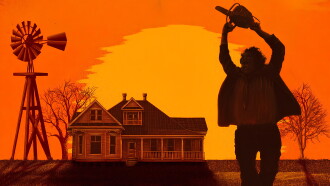
Five friends head out to rural Texas to visit the grave of a grandfather. On the way, they stumble across what appears to be a deserted house, only to discover something sinister within.