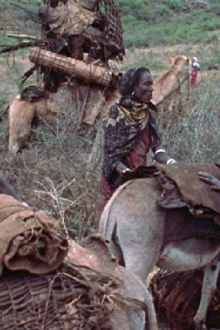
Boran Women Trailer (1974)
01 January 1974 Factual 18 mins
Traditionally confined to the roles of life-givers, nurturers and homemakers, Boran women of Kenya are slowly realizing the importance of education and the difference it can make in their lives. They attach great importance to the traditional role of women in a herding society and perform dawn to dusk tasks with little deviation from customary ways. Remarkable though is the obvious independence they demonstrate in performing tasks which normally would fall under the male domain, like building their own houses. The film is principally observational with occasional segments in which the women speak directly to the camera.
Watch the official Boran Women 1974 trailer in HD below or find more Boran Women videos on Vidimovie.