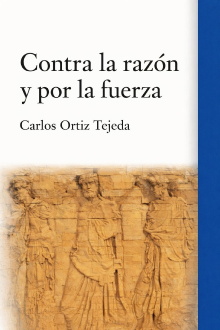
This Mexican documentary explores the meaning and aftermath of the brief Marxist interlude during which Salvador Allende governed Chile. It was the Mexican film crew's good fortune that the cameras they worked with bore the magical number "13," which identified them incorrectly as belonging to the state-run television under the new dictatorship of Augusto Pinochet. This mistaken identity enabled them to go places and interview people with great freedom, and they took complete advantage of it. The title of the documentary is a word-play satirizing the Chilean State Motto: Por la Razon or por la Fuerza (By Reason or By Force).
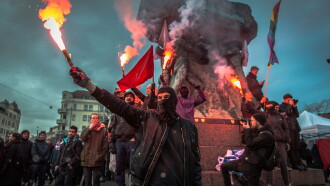
A low-intensity war is being fought on the streets of Europe and the aim is on fascism. This critically acclaimed documentary takes us behind the masks of the militants called antifascists.
Michael Moore's view on how the Bush administration allegedly used the tragic events on 9/11 to push forward its agenda for unjust wars in Afghanistan and Iraq.
The film shines a light onto federal chancellor Angela Merkel and her now ending 16-year-long tenure. An era, not an episode. And a vagarious relationship history between the chancellor and the Germans. Who has changed whom here?
The story of the documentary The Sorrow and the Pity (1971), directed by Marcel Ophüls, which caused a scandal in a France still traumatized by the German occupation during World War II, because it shattered the myth, cultivated by the followers of President Charles de Gaulle (1890-1970), of a united France that had supposedly stood firm in the face of the ruthless invaders.
In recognition of the 4th of July, several celebrities and politicians of differing ideologies join to read the historic documents which laid the foundation for the United States of America.
Filmed in a village of the indigenous Mandaya people, located in a mountainous area of southeastern Mindanao, the country's second largest island, the documentary portrays the struggle of the Communist Party of the Philippines and its armed wing, the New People's Army, for the rights of indigenous Filipino peoples and the environment, which are constantly under threat from landowners, large logging companies and agribusiness.
Directed by Sam Pillsbury, this 1974 film observes Ralph Hotere — one of New Zealand’s greatest artists — at a moment when excitement is gathering about his work.
Portrays the challenges of creating a film about nuclear disaster amid public apathy. It captures behind-the-scenes moments as the crew discusses the gravity of nuclear threats, the importance of preparation, and the emotional impact of a nuclear attack.
Allied to a four-year Daily Mirror campaign by John Pilger that helped achieve compensation for many of the forgotten and mostly working class victims of the notorious drug prescribed to women during pregnancy.