A lone man walking across the video screen is the starting point for this dynamic formal exercise. This image and its accompanying sound are subjected to increasingly complex and proliferating configurations to arrive at what Emshwiller calls a "visual fugue" in time and space, structured like musical or mathematical sequences. The walking figure and its de-synchronized footsteps are multiplied, slowed down, accelerated, reversed, syncopated, overlapped and otherwise altered in multifarious variations on a theme, building in a kinetic, almost narrative progression of compositional relationships. The screen is finally transformed into a dance of motion by male and female figures in an abstracted, colorized space. Rather than an analysis of movement a la Muybridge, Crossings and Meetings is a celebration of the potential for representing movement in time and space through video.
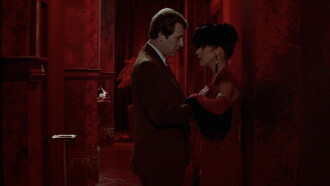
When churlish mobster Albert Spica acquires an upscale French restaurant in London, he dines there nightly, effectively scaring off the clientele with his bad manners.
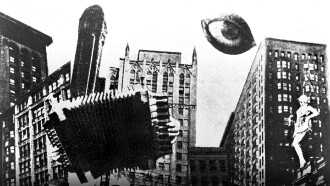
A day in the city of Berlin, which experienced an industrial boom in the 1920s, and still provides an insight into the living and working conditions at that time.
Born in Los Angeles but a New Yorker by choice, Barbara Hammer is a whole genre unto herself. Her pioneering 1974 short film Dyketactics, a four-minute, hippie wonder consisting of frolicking naked women in the countryside, broke new ground for its exploration of lesbian identity, desire and aesthetic.
Two friends named Amir Palang and Ahmad Nane Baba Jegaraki are interested in Asieh ; But Asieh is interested in Amir, and Amir tries to stay away from Asieh in favor of Ahmad.
John Pilger returns to Vietnam in 1974. America had withdrawn its ground forces at the beginning of the previous year, he reports, yet the war had not ended.