Two young prostitutes decide to settle on a farm in the outskirts of an idyllic Bavarian mountain village. Initially, this is a pain in the neck for the village council and the local clergy, but the moral guardians soon reveal themselves to be lacking in steadfast ideals.
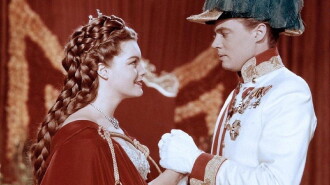
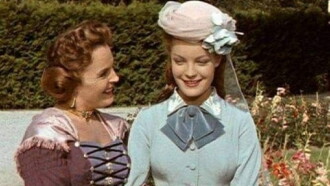
The young Bavarian princess Elisabeth, who all call Sissi, goes with her mother and older sister Néné to Austria where Néné will be wed to an emperor named Franz Joseph, Yet unexpectedly Franz runs into Sissi while out fishing and they fall in love.
Sissi is now the empress of Austria and attempts to learn etiquette. While she is busy being empress she also has to deal with her difficult new mother-in-law, while the arch-duchess Sophie is trying to tell the emperor how to rule and also Sissi how to be a mother.
When cab driver Ludwig “Wiggerl” Brunner, a true Munich bon vivant, is hit by a streetcar and ends up in heaven, there is only one way back to his beloved Bavaria: he has to improve his karma balance as quickly as possible.
Germany in the autumn of 1957: Lola, a seductive cabaret singer-prostitute exults in her power as a temptress of men, but she wants out—she wants money, property, and love.
The foehn researcher paints watercolors in which he documents the state of the world and records his visions of what is happening, while he berates the Minister of the Interior savagely.
Directed by Sam Pillsbury, this 1974 film observes Ralph Hotere — one of New Zealand’s greatest artists — at a moment when excitement is gathering about his work.
The actual Viscount Arnau wants to acquire the power and fame that had their ancestors. For this reason decided to hav many children, preferably males, to revive the Empire.
A couple of musicians are on their way to a show at a country bar. Along the way, they pick up a couple of sexy hitchhiking ladies and decide to pull over for a pitstop.