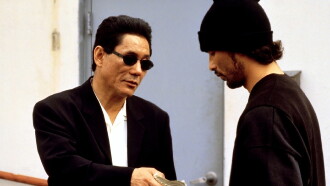
A Japanese Yakuza gangster's deadly existence in his homeland gets him exiled to Los Angeles, where he is taken in by his little brother and his brother's gang.
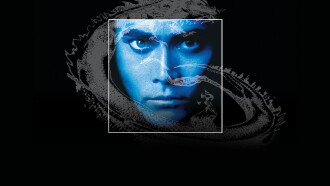
A lethal assassin for a secret Chinese organisation, who sheds tears of regret each time he kills, is seen swiftly and mercilessly executing three Yakuza gangsters by a beautiful artist.
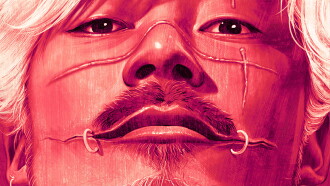
As sadomasochistic yakuza enforcer Kakihara searches for his missing boss he comes across Ichi, a repressed and psychotic killer who may be able to inflict levels of pain that Kakihara has only dreamed of.
One night in Tokyo, Leo, a young boxer, meets his first love, Monica, an imprisoned sex worker. Caught up in a drug-smuggling scheme, they find themselves pursued by a corrupt cop, a yakuza, his nemesis, and a female assassin.
In 1970s-era Japan, three children, Kazuma Kiryu, Akira Nishikiyama, and his younger sister, Yuko Nishikiyama, are raised together in Shintaro Kazama's Sunflower Orphanage.
The last in the series. Sugawara runs into two mahjong cheaters (Ichiro Araki and Mako Midori + sidekick Takuzo Kawatani) whom he takes for friends in need as his naivety prevents him from seeing their true nature.
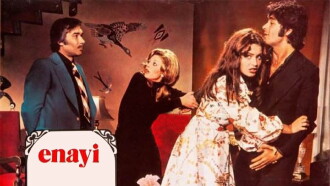
Kenan's wife is murdered by five people, and his daughter is sent to a children's home. Kenan kills four of his wife's five murderers, but is sent to prison and sentenced to 20 years.