"El campo para el hombre" was a politically militant documentary about the small holdings of land in the north of Spain and the large estates in the south of the country. This film portrays the exploitation and misery of the Spanish peasants, but also their class-consciousness and their will to fight for their rights and freedom. The film was shot in the late years of Franco's dictatorship, so it was made in secrecy (the directors were connected to the Spanish Communist Party).
The life of Paco Martínez Soria (1902-1982), one of the most famous and beloved Spanish actors, both on stage and screen; a comedian, a theatrical producer, an idol for the masses.
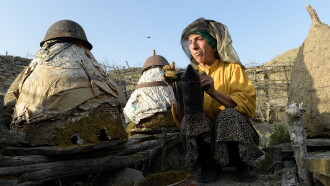
When nomadic beekeepers break Honeyland’s basic rule (take half of the honey, but leave half to the bees), the last female beehunter in Europe must save the bees and restore natural balance.
In the late sixties, Spanish cinema began to produce a huge amount of horror genre films: international markets were opened, the production was continuous, a small star-system was created, as well as a solid group of specialized directors.
An unprejudiced portrait of Spanish folklore and a crude analysis in black and white of its intimate relationship with atavism and superstition, with violence and pain, with blood and death; a story of terror, a journey to the most sinister and ancestral Spain; the one that lived far from the most visited tourist destinations, from the economic miracle and unstoppable progress, relentlessly promoted by the Franco regime during the sixties.
The history of how the Museum of Spanish Abstract Art of Cuenca was created. In the mid-1950s, the Spanish collector and painter Fernando Zóbel de Ayala (1924-84) becomes fascinated by the young generation of Spanish abstract artists, so he begins to collect their works to show them to the public in Toledo.
Filmmaker Angelo Madsen Minax returns to his rural Michigan hometown following the death of his infant niece and the subsequent arrest of his brother-in-law as the culprit.
The sarcastic account of the assassination of five Spanish politicians between 1870 and 1973 is mixed with the narration of five short stories by Edgar Allan Poe illustrated by five skillful pencil artists.
Edeltraut Hertel - a midwife caught between two worlds. She has been working as a midwife in a small village near Chemnitz for almost 20 years, supporting expectant mothers before, during and after the birth of their offspring.
Dr. Siva treats leprosy patients and gives great importance to his patients' care. When Geetha falls in love with him, he marries her expecting that she would understand the hassles of his profession.
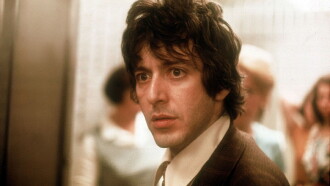
Based on the true story of would-be Brooklyn bank robbers John Wojtowicz and Salvatore Naturile. Sonny and Sal attempt a bank heist which quickly turns sour and escalates into a hostage situation and stand-off with the police.
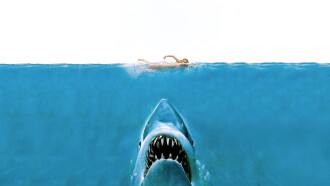
When the seaside community of Amity finds itself under attack by a dangerous great white shark, the town's chief of police, a young marine biologist, and a grizzled shark hunter embark on a desperate quest to kill the beast before it strikes again.
Neelapponmaan is a 1975 Indian Malayalam film, directed and produced by Kunchacko. The film stars Prem Nazir, KPAC Lalitha, Adoor Bhasi and Sreelatha Namboothiri in lead roles.
The children Sonja and Helmut Schmitt have lost their parents in a car accident. At first, their grandmother takes over the supervision and care of the two.
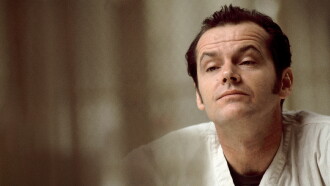
A petty criminal fakes insanity to serve his sentence in a mental ward rather than prison. He soon finds himself as a leader to the other patients—and an enemy to the cruel, domineering nurse who runs the ward.
A social drama, it tackles the contradictions prevalent in society. Kumar, a respectable wealthy man to the outside world, in fact leads a life of debauchery.