The Kirghiz of Afghanistan Trailer (1975)
01 January 1975 Factual 51 mins
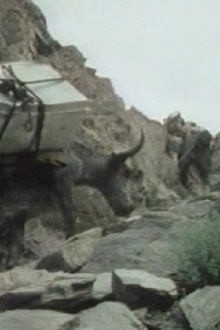
The Kirghiz of Afghanistan are a group of some 2,000 pastoralists living on a bleak mountain plateau in a narrow isthmus of land between the borders of the Soviet Union and China. For nine months of the year heavy snows cover the ground, which was formerly used only by the Kirghiz for their summer pastures before the borders were closed, virtually terminating the contact of this group with other Kirghiz communities. Although the film shows dramatically the ten-day journey which lowland traders must make to reach this remote people, as well as scenes of a Kirghiz wedding and the traditional Central Asian sport of ‘buzkashi’ – demonstrating the horse-riding skills of the people – there is very little about the pastoral economy and society of the ordinary Kirghiz.
Watch the official The Kirghiz of Afghanistan 1975 trailer in HD below or find more The Kirghiz of Afghanistan videos on Vidimovie.