A report on the life and work of the painter Teodoro Núñez Ureta (1912-1988). The artist is seen creating a watercolor in the Arequipa countryside and in a Lima market.
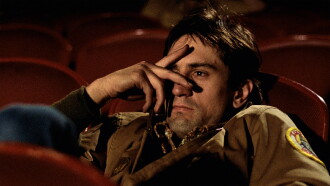
Suffering from insomnia, disturbed loner Travis Bickle takes a job as a New York City cabbie, haunting the streets nightly, growing increasingly detached from reality as he dreams of cleaning up the filthy city.
The title of Truth Through Mass Individuation references Carl Jung. An isolated figure is seen performing successively more aggressive actions — dropping a cymbal among a flock of pigeons, firing a rifle in a deserted city street.
Two short stories set in Edo during the Shogun era. The first, during a time when Christians are persecuted vehemently, Iori falls in love with a young Christian girl.
Letter carrier Eva is in her late twenties, unmarried and the mother of a twelve-year-old son. She falls in love with Jon, a bargeman who is unfortunately already engaged.
Episode from the documentary series Paraskinio, dedicated to Mimis Fotopoulos, who speaks about his life and work in a monologue in front of the camera, likely improvised.
15-year-old Dawn runs away from what she feels is an intolerable home life. In the big city, she ends up turning to prostitution when she is unable to get a job due to her age.
Comments
Have you watched El paisaje, el hombre y la esperanza yet? What did you think about it?