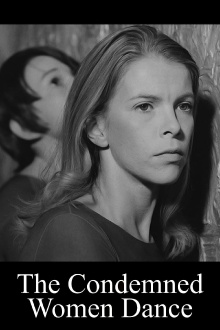
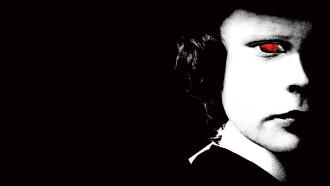
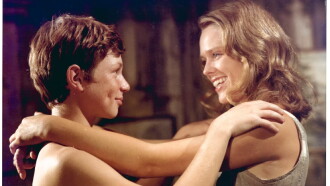
This short dance film presents four women moving within a narrow, enclosed room to music by Claudio Monteverdi. Conceived as a dance play rather than a ballet, the performers embody recurring female roles passed down across generations, including figures identified as damned souls, death, and a child compelled into the same patterns.
The year 1957 was one of the most prolific for the Swedish filmmaker Ingmar Bergman: he shot two films, released two of his most celebrated films and produced four plays and a TV movie while juggling with a complicated private life.
Super-8 footage captured while filming Bergman Island. In voice-over, filmmaker Mia Hansen-Løve offers intimate reflections on her creative process on the island of Fårö and her relationship with Bergman and Swedish cinema.
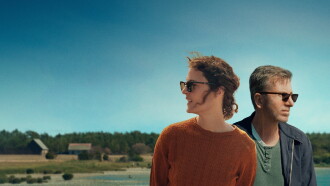
An English-German filmmaking couple retreat to Fårö for the summer to each write screenplays for their upcoming films in an act of pilgrimage to the place that inspired Ingmar Bergman.
Autumn is in the air as the Kitauji High School concert band prepares for the National Competition. The band hears troubling news that Asuka Tanaka, vice president of the club and one of the key euphonium players in the band, may quit! Asuka is beautiful and charismatic and everyone relies on her, but she also has a cool side and never reveals her true self.
No Days Off for Death” is a film that depicts an altered rendition of our own world to explore themes of grief and over corporatisation, the narrative takes place from two perspectives that ultimately come together; one of a nameless Grim Reaper (only referred to as “Death”) who only wants to take a long overdue holiday from their endless mundane work in the corporate underworld and a grieving man (Max) contemplating committing suicide after a breakup leaves him at the end of his rope.
On Thursday 12 November, Radio 2 welcomed Jeff Lynne’s ELO to the BBC Radio Theatre. Setlist: "Turn To Stone", "Evil Woman", "Showdown", "All Over The World", "When I Was A Boy", "Livin' Thing", "Strange Magic", "Don't Bring Me Down", "Steppin' Out", "When The Night Comes", "Sweet Talkin' Woman", "Ain't It A Drag", "Telephone Line", "Mr.
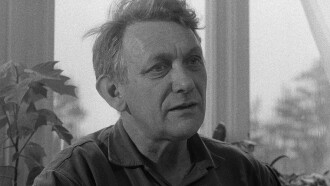
Shot on the island of Fårö, this documentary presents interviews with local inhabitants as they discuss work, family life, and the conditions of living in a sparsely populated rural community.
In the sixties, Swedish filmmaker Ingmar Bergman (1918-2007) built a house on the remote island of Fårö, located in the Baltic Sea, and left Stockholm to live there.
Based on an interview with Ingmar Bergman and footage taken during the director's visit to the Reykjavík Art Festival in 1986, this film focuses on Mr.
Popular movie trailers from 1976
These some of the most viewed trailers for movies released in 1976:
Lola Reyes is a singer who is succeeding and, therefore, is besieged by everyone. A group of homosexuals are the only ones authorized by his possessive mother to be her friends.
The story Peter is telling the about a special summer, when he is invited over to summer holiday from bickering parents, to his aunt and uncle in the country.
The title of Truth Through Mass Individuation references Carl Jung. An isolated figure is seen performing successively more aggressive actions — dropping a cymbal among a flock of pigeons, firing a rifle in a deserted city street.
Cornélio, an aged man and famous baritone, marries the young Angelica, who plans with her ex-boyfriend Bruno, to kill the husband with contaminated oysters, but she ends up the one who gets sick.
Comments
Have you watched The Dance of the Damned Women yet? What did you think about it?