This film chronicles an artistic and personal quest through an assortment of in-camera and optical printing experiments. Shutter effects and swarming dots fragment the filmic surface so the picture oscillates between abstraction and recognition. The soundtrack quotes excerpts from anthropologist Franz Boas’ 1930 text about a Kwakiutl Indian shaman. The story serves as a metaphor for the struggle of the artist practicing a new visual language. In the Boas text, a man relates his learning the ways of a shaman. Doubting the magic in shamanistic practice, he strives to understand traditional methods in order to discover the truth. Though he learns the secrets of his teachers and finds only tricks, he nonetheless becomes a powerful and famous shaman himself. This film is about the desire to master the magic of the image while following a path of doubt and skepticism.
The film revolves around the manin protagonist Meenakshi (K. R. Vijaya), who rises from an ordinary housewife to become a Mayor and the trials and tribulations she face to maintain a balance at work and at home.
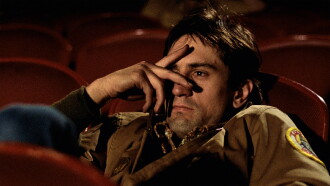
Suffering from insomnia, disturbed loner Travis Bickle takes a job as a New York City cabbie, haunting the streets nightly, growing increasingly detached from reality as he dreams of cleaning up the filthy city.
Letter carrier Eva is in her late twenties, unmarried and the mother of a twelve-year-old son. She falls in love with Jon, a bargeman who is unfortunately already engaged.
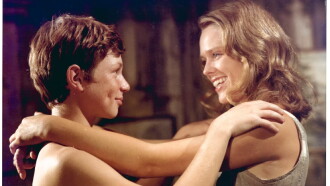
The story Peter is telling the about a special summer, when he is invited over to summer holiday from bickering parents, to his aunt and uncle in the country.
Cornélio, an aged man and famous baritone, marries the young Angelica, who plans with her ex-boyfriend Bruno, to kill the husband with contaminated oysters, but she ends up the one who gets sick.
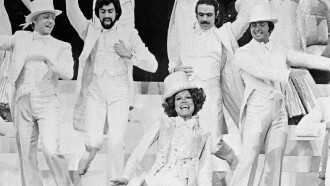
An extended dream sequence presents a biblical allegory about the creation, downfall and rebirth of humanity, told through a series of surrealistic vignettes and musical numbers.