A documentary on female prostitution featuring scenes with six different prostitutes, a male member of the vice squad, and Margo St. James. Made with an all-female crew.
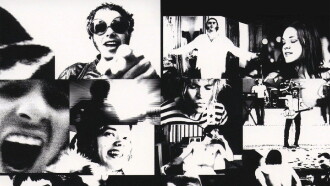
The film describes the microcosmos of the small village Wacken and shows the clash of the cultures, before and during the biggest heavy metal festival in Europe.
Elektro Moskva is an essayistic documentary about the Soviet electronic age and its legacy. The story begins with the inventor of the world's first electronic instrument, Leon Theremin, unveiling the KGB's huge pile of fascinating devices, some of which were musical.
An inspiring look inside a unique residence in Manhattan that is providing a safe home for 25 gay and transgender teenagers for have experienced violence at home and on the streets.
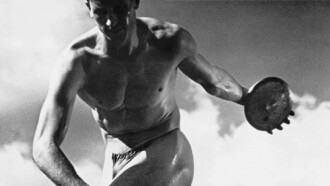
Starting with a long and lyrical overture, evoking the origins of the Olympic Games in ancient Greece, Riefenstahl covers twenty-one athletic events in the first half of this two-part love letter to the human body and spirit, culminating with the marathon, where Jesse Owens became the first track and field athlete to win four gold medals in a single Olympics.
Part two of Leni Riefenstahl's monumental examination of the 1938 Olympic Games, the cameras leave the main stadium and venture into the many halls and fields deployed for such sports as fencing, polo, cycling, and the modern pentathlon, which was won by American Glenn Morris.
This documentary follows painter and musician Lyn Foulkes from age 70 to 77 as he labors to complete two astonishing tableaux that demonstrate his outsider's perspective and eye for evocative imagery.
A poetic portrait of the world-renowned Ballet de l'Opéra national de Paris as they mount a new work by famed contemporary choreographer Anne Teresa De Keersmaeker, Rain is a formalist exercise in documentary filmmaking that at times resembles long lost outtakes from The Red Shoes.
Memory Surfaces and Mental Prayers is a collection of works that address the desire to transcend the perceptual and cognitive structures of experience.
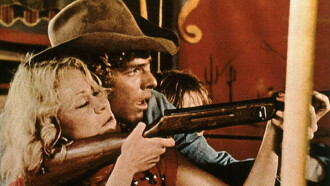
Two fun-loving carnival workers take a vacation with the hope of finding plenty of sex and drugs. Their "quest" is fulfilled when they encounter a dope-peddler and two exotic nightclub dancers.
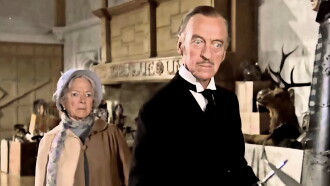
When ex-con artist Harry claims that a secret treasure is hidden inside Candleshoe, an English estate, he creates an elaborate plan to find and steal the prize.
First-time father Henry Spencer tries to survive his industrial environment, his angry girlfriend, and the unbearable screams of his newly born mutant child.
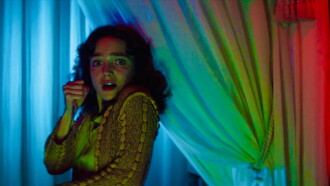
An American newcomer to a prestigious German ballet academy comes to realize that the school is a front for something sinister amid a series of grisly murders.