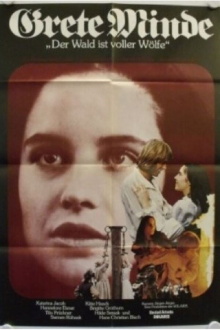
Grete Minde, based on the novel by Theodor Fontane, tells the story of a girl trapped in the turbulent religious and social prejudices of 17th-century Sweden.
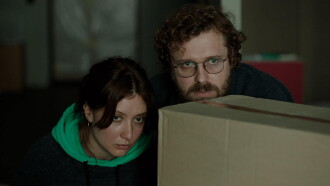
The late 1950s. Every night, Soviet tractors comb the coast of Latvia looking for signs of anyone who could have infiltrated the Soviet border from the sea.
To Walk Invisible takes a new look at the extraordinary Brontë family, telling the story of these remarkable women who, despite the obstacles they faced, came from obscurity to produce some of the greatest novels in the English language.
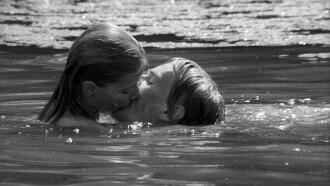
Jutka, a young woman who works in a factory, falls in love with Andras, a university student. She pretends to be a student, to him and to his parents, and begins to live a lie.
A family spends three summer days in a beautiful lake mansion close to Berlin. Together with her new lover, Irene visits her brother Alex, who still inhabits the house with Irene's writer son Konstantin.
It sometimes takes little to spoil a weekend in the country. A simple misunderstanding in a supermarket parking lot, a bad reaction, and there you go, everything is awry.
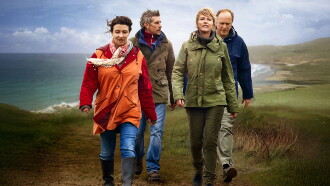
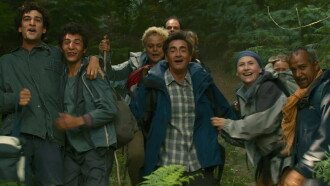
Three siblings who detest each other and hiking must complete together a pilgrimage to Santiago de Compostela in order to be eligible to inherit their mother's wealth.
Alternative movies trailers for Grete Minde
More movie trailers, teasers, and clips from Grete Minde:
Grete Minde 2012
Die Kulisse ist atemberaubend: auf der einen Seite die hoch aufragenden Türme der Klosterkirche auf der anderen Seite der Ruppiner See und dazwischen ...
Popular movie trailers from 1977
These some of the most viewed trailers for movies released in 1977:
Memory Surfaces and Mental Prayers is a collection of works that address the desire to transcend the perceptual and cognitive structures of experience.
Babae...Ngayon at Kailanman is a film adaptation of three Filipino short story masterpieces: Nick Joaquin's "May Day Eve", Amador Daguio's "Wedding Dance" and Wilfrido Nollega's "Juego de Prenda.
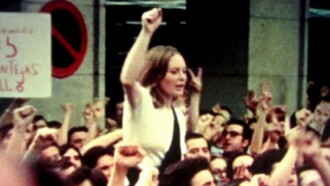
How does a country go from a dictatorship to a democracy? A detailed report on the political representation in the heart of the Spanish Transition, only a few months after General Franco’s death, when the sincere democratic vocation of Spanish people must effort to destroy, one heavy brick after another, the wall that those who supported the dictatorship and those who fought it from the exile built with resentment, hatred and prejudices.
Avant-garde appeal on behalf of and made by the adventurous leftist London cinema, The Other Cinema, using the facilities provided by the BBC community programme unit.