Tragoedia Trailer (1977)
08 October 1977 35 mins
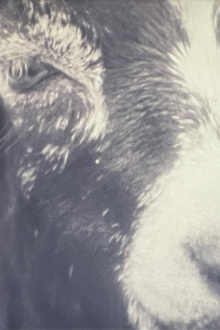
This film was conceived about 10 years ago when I heard Norman O. Brown define "Tragedy" as "goat-song" (or as Webster has it: "Greek tragoidia fr. tragos goat + aiedein to sing; prob. fr. the satyrs represented by the original chorus"). I disagree with the last part of the Webster explanation and tend to think that the quality of sound of goats crying did prompt the Greeks to choose this term for their drama. In any case, the film TRAGOEDIA is also ironic (thus, perhaps the Latin of its title) as often is goat "lamentation"; and finally I should quote this from O.E.D.: "As to the reason of the name many theories have been offered, some even disputing the connexion with 'goat.'"
Watch the official Tragoedia 1977 trailer in HD below or find more Tragoedia videos on Vidimovie.