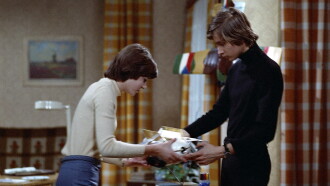
The story of how it turned out when a young lawyer tried to intellectually elevate a cute dancer from Prague's bohemian milieu. Journalist Šmíd introduces his long-time lover, a cheerful but simple girl Fanynka, to his friend, a young lawyer. He decides to take good care of the girl, buying her gifts and even furnishing her with a nice apartment. When he is called up to the army, he asks his friend Šmíd to look after Fanynka for him. After all, he himself intends to employ her and educate her intellectually. He gives her the task of reading serious literature once a week, about which the girl is to give him extensive testimony in a letter. But Fanynka soon starts to get fed up with the intellectual diet...
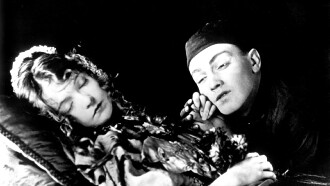
A frail waif, abused by her brutal boxer father in London's seedy Limehouse District, is befriended by a sensitive Chinese immigrant with tragic consequences.
Bobby is an underachieving high school kid with a deep love for motorcycles. His most recent achievement seems to have been getting photos of himself on a road trip printed in a motorcyclist hobby magazine.
Based on four of the six short stories compiled in Murakami Haruki's anthology, After the Quake explores the complex aftermath of Japan’s earthquakes and other global crises.
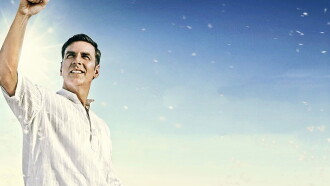
Upon realizing the extent to which women are affected by their menses, a man sets out to create a sanitary pad machine and to provide inexpensive sanitary pads to the women of rural India.
Shunned by his parents, brought up by a Poojary, nursed by a cow, Dhyanu Bhagat grows up performing miracles, curing the ill, and singing the praise of Devi Maa Durga.
The plot takes place in the revolutionary year of 1848. It takes us to Príbelice, where Janko Kráľ returns from Pest after the March Revolution, to acquaint the Slovak people with the famous Twelve Points, together with his friend, teacher Ján Rotarides.
Semi-follow up to "The Deadly Triangle" dealing with a sheriff and his deputy in a sleepy ski town involved with a group of urbanites planning a dangerous mountain climb as well as investigating sabotage in a condominium development.
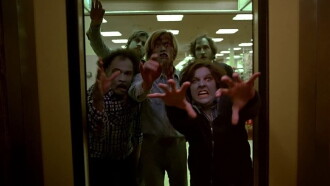
During an ever-growing epidemic of zombies that have risen from the dead, two Philadelphia SWAT team members, a traffic reporter, and his television-executive girlfriend seek refuge in a secluded shopping mall.