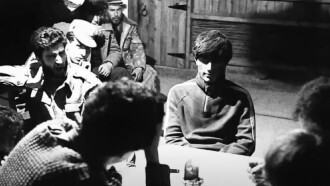
Presentation of Western Sahara’s history and the Polisario Front’s struggle for the independence of this territory, which has been occupied by Morocco since 1976. It shows the social organization of the Polisario Front, gender equality, which is highlighted (particularly in combat), vaccination campaigns, military training from the age of 14, and education into Sahrawi culture, traditions, and music.
An Original Documentary Film that explores 4 unique haunted hot spots including a Gothic Haunted House, America's Oldest Lighthouse, Ryholite Ghost Town, Nevada and a haunted Train Museum.
Personal stories from civilians, children, soldiers, doctors, the country’s elderly, journalists, religious leaders, and international volunteers - a handful of the millions of people whose lives have been turned upside-down by nine years (and counting) of Russian aggression against Ukraine.
Using unpublished photos taken by Italian war photographer Enrico Sarsini, and the reconstruction of key events, this film examines the battle for a strategically-located church that was defended by Azerbaijani teenager Natig Gasimov.
The story of magic on TV, the challenges of performing illusions in front of the television cameras, the performers who inspired some of the most successful modern magicians and the celebrity magic fans.
For the first 18 years of her life, Mozart’s sister shared equal billing with her brother. Musical partners and collaborators, Wolfgang Mozart and Maria-Anna Mozart played together before Kings and Queens, and were the talk of Europe.
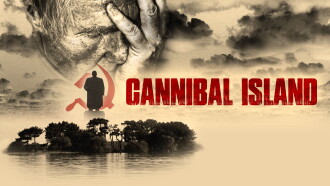
A disturbing chapter in Russian history is explored in this documentary. In 1933, Joseph Stalin sent 6000 "unwanted" citizens of Moscow and Leningrad to a desolate Siberian island - with no food or clothes to speak of.
Fifteen years after murdering his sister on Halloween Night 1963, Michael Myers escapes from a mental hospital and returns to the small town of Haddonfield, Illinois to kill again.
The Black Contribution – Literature and Theater 1978 is a rare documentary highlighting the voices and cultural impact of African American writers and performers during the civil rights era.
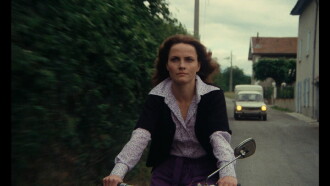
Nicole, nurse in Grenoble, is raped one night by four men. Deeply scarred, emotionally and physically, she thinks she will never recover from the trauma.
A comic strip detective and a superhero are hired to investigate separatedly the successive murders of CEOs within a real life corporation symbolizing a nation, while subversive groups and members of the establishment lead a war for power.
Australian good girl Sandy and greaser Danny fell in love over the summer. But when they unexpectedly discover they're now in the same high school, will they be able to rekindle their romance despite their eccentric friends?
Shunned by his parents, brought up by a Poojary, nursed by a cow, Dhyanu Bhagat grows up performing miracles, curing the ill, and singing the praise of Devi Maa Durga.
Navendhu Kumar lives a poor lifestyle with his handicapped father, Mohan, housewife mom, two unmarried sisters, Leela and Rajni, a younger brother, Kundan, and a sweetheart in Meena.
Semi-follow up to "The Deadly Triangle" dealing with a sheriff and his deputy in a sleepy ski town involved with a group of urbanites planning a dangerous mountain climb as well as investigating sabotage in a condominium development.
Comments
Have you watched Sahara, liberation day by day yet? What did you think about it?