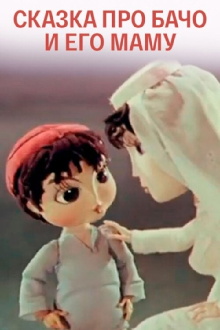
Based on the fairy tale of the same name by O. Ioseliani. About the little boy Bacho, who helped the forest animals that had run away from home return to their mothers.
The television adaptation of the 1954 play Silfurtúnglið by Hrafn Gunnlaugsson updates the interwar story of Lóa, a housewife with a beautiful singing voice who delights in serenading her newborn son.
The reason for making this film is clear: it was to cover up Vojtěch Jasný's famous chronicle "All the Good Natives", an account of the tragic consequences of forced collectivisation.
Berlin, 1948: Paralyzed and robbed of her memory, Fleur regains consciousness after a serious fall. The doctor treating her recognizes that her problem is of a psychological nature and encourages her to face up to her past.
One year has passed since Max and Wanda got their divorce. Max has come to the realization that he wants his ex-wife back - no matter what the cost! So he concocts a sneaky plan: he asks Wanda to hide him from the police, who are apparently looking for him.
Shunned by his parents, brought up by a Poojary, nursed by a cow, Dhyanu Bhagat grows up performing miracles, curing the ill, and singing the praise of Devi Maa Durga.
A decade and a half ago, poet Robert Kelly told me that the "crucial work" of our time might be what he calls "the dream work": I hope, with this Series, to have entertained his challenge more thoughtfully than with any previous "dream" filmmaking.
Comments
Have you watched The Tale of Bacho and His Mother yet? What did you think about it?