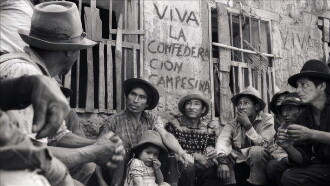
"Het Onbekende Suriname"23 September 1978Factual55 mins
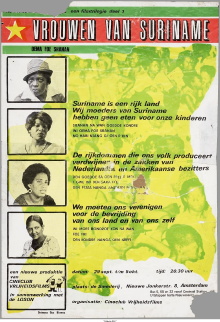
Oema Foe Sranang (1978), translated in Dutch as Vrouwen van Suriname, was a film made in close collaboration with LOSON (Landelijke Organisatie Strijd Organisatie Suriname). This anti-colonial, feminist portrait of the lives of five Surinamese women came about after the recent independence of Suriname in 1975, also shedding a light on the experience of the Surinamese migrants entering the Netherlands and the Dutch hostile attitude towards this large flow of migrants.
A choral portrait with 16 voices, 16 unique trajectories, reflective and intimate, of an intergenerational resistance movement led by young people who live and fight against land and water grabbing, industrial devastation, the rise of totalitarianism, and face political repression.
The professional mercenary Sir William Walker instigates a slave revolt on the Caribbean island of Queimada in order to help improve the British sugar trade.
In France’s last presidential election, Marine Le Pen, a right-wing candidate, won over 30 per cent of the vote after an attempt to rebrand a party long associated with her controversial father, Jean-Marie Le Pen.
Born a lower-caste girl in rural India's patriarchal society, "married" at 11, repeatedly raped and brutalized, Phoolan Devi finds freedom only as an avenging warrior, the eponymous Bandit Queen.
Political activist Kader Affak—the unforgettable surveyor of Tariq Teguia’s film Inland—runs a charity on the same premises as Le Sous-Marin literary café that he is renovating.
Days after 9/11, Blerim Skoro was recruited from a Manhattan prison by the CIA and FBI. For over a decade, he was America's infidel mole, roaming the Middle East as a spy deep inside al-Qaeda.
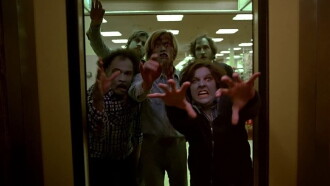
During an ever-growing epidemic of zombies that have risen from the dead, two Philadelphia SWAT team members, a traffic reporter, and his television-executive girlfriend seek refuge in a secluded shopping mall.
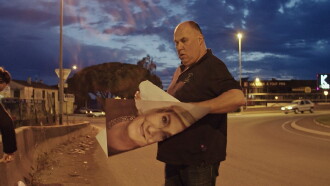
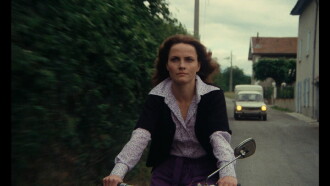
Nicole, nurse in Grenoble, is raped one night by four men. Deeply scarred, emotionally and physically, she thinks she will never recover from the trauma.
The reason for making this film is clear: it was to cover up Vojtěch Jasný's famous chronicle "All the Good Natives", an account of the tragic consequences of forced collectivisation.