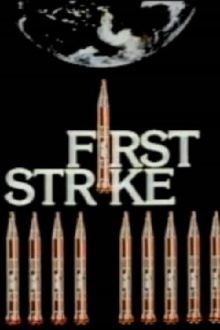
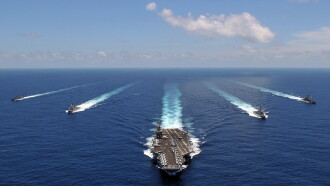
Dramatization of a devastating nuclear strike against the United States by the Soviet Union, followed by interviews with analysts and military figures. Produced by the United States Air Force.
Portrays the challenges of creating a film about nuclear disaster amid public apathy. It captures behind-the-scenes moments as the crew discusses the gravity of nuclear threats, the importance of preparation, and the emotional impact of a nuclear attack.
This programme recalls the events that led up to one of the most dangerous moments in the entire history of the Cold War: a NATO command post exercise, code named Able Archer 83, which caused the USSR to believe that NATO was planning a genuine nuclear attack.
Since 1950, there have been 32 nuclear weapon accidents, known as "Broken Arrows." A Broken Arrow is defined as an unexpected event involving nuclear weapons that result in the accidental launching, firing, detonating, theft or loss of the weapon.
With the help of government-issued pamphlets, an elderly British couple build a shelter and prepare for an impending nuclear attack, unaware that times and the nature of war have changed from their romantic memories of World War II.
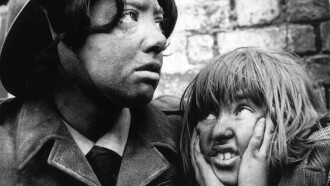
Set in an alternate, post-apocalyptic 1976, a filmmaker follows a worn and disillusioned photographer who, despite the circumstances, continues to make pictures.
A disturbing collection of 1940s and 1950s United States government-issued propaganda films designed to reassure Americans that the atomic bomb was not a threat to their safety.
Two isolated Canadian soldiers come to grip with a difficult order: launch a nuclear strike against the former USSR, some 25 years after the end of the Cold War.
Peter Ustinov hosts this haunting 1980 documentary exploring the world's nuclear weaponry and the fragile system that deters either side from initiating the first nuclear strike.
A hypothetical Chinese invasion of South Vietnam triggers a new world war between East and West. In Rochester, Kent, the anticipation of a nuclear attack leads to mass evacuations.
An archive-based feature documentary viewing the dramatic climax of the Cold War through the lens of the ABC network, as it narrowly succeeds in producing the most watched, most controversial made-for-TV movie, THE DAY AFTER (1983).
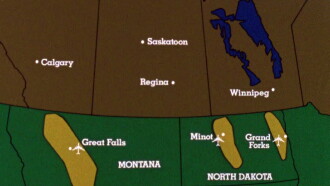
This film deals straightforwardly with the consequences of a nuclear attack for the Canadian Prairies due to their proximity to intercontinental ballistic missile sites in North Dakota.
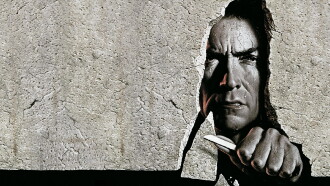
Popular movie trailers from 1979
These some of the most viewed trailers for movies released in 1979:
The Riehl family has recently owned a small house in a new development in the countryside. Mr. Riehl drives into town every morning, where he works in a furniture store.
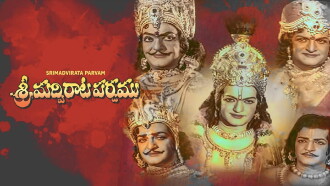
It is an Epic story based on the book Virata Parva of Mahabharatha. After 12 years of Vanavasam, the Pandavas spend their 13th year of exile the Agnaadhavasam in an incognito state with disguised identities at the court of Virata.
Katie, the 14-year-old daughter of a travelling family, is left in charge of an ailing mother and her nine brothers and sisters in Dublin whilst her father is in England seeking his fortune.
A pair of sexy bisexual nurses live in an apartment building, one floor up from a middle-aged couple and their son Albert, who is busy putting his new science project—a periscope—to good use by spying on the lingerie-wearing lovelies.
Comments
Have you watched First Strike yet? What did you think about it?