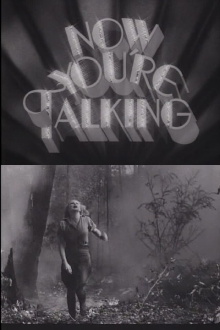
Part 3 of the History of Australian Cinema series. The story of the Australian film industry in the 1930s, from the pioneering days of talkies through to the decline of the industry with the coming of WWII.
Varjoja Radalla is a documentary film about surviving traumatic incidences. The film is following stories of train drivers who have all unwillingly be part of fatality caused by suicides and accidents.
As Australian cinema broke through to international audiences in the 1970s through respected art house films like Peter Weir's "Picnic At Hanging Rock," a new underground of low-budget exploitation filmmakers were turning out considerably less highbrow fare.
Bojan Krkic has had success in the palm of his hand, but the difficulties encountered by a precocious and sensitive talent like him have marked his career since he made his debut with FC Barcelona at the age of 16.
In this documentary film, a companion to the book, Arai interviews five women from Ofunato, ages 79 to 100, who have survived as many as three tsunami in the past century! They talk about their childhood memories, their fortitude in the face of war and natural disaster, and the extraordinary depth of spoken Kesengo.
Part 2 of the History of Australian Cinema series. Covering the 1920s and 30s. From an origin that promised so much, the Australian film production industry faced new challenges from abroad which ultimately proved to be more than they could cope with.
Daisy and Lila are best friends. At a suburban house party, shifting desires and tough choices force them to reconsider their place in the world and what they mean to each other.
Sesame Street celebrated its 10th anniversary in the spring of 1979 with a half-hour PBS special hosted by James Earl Jones titled A Walking Tour of Sesame Street.
“I don’t drive, but I know people who’ll drive 100 metres to go to the shops. Our society is obsessed with the car, with coming and going, getting somewhere.
Evil Chun Shan uses chess boxing and a five-element ninja style to terrorize the martial arts world until he is challenged in a series of battles, then destroyed.
After a successful robbery leaves famed thief Lupin the Third and his partner Jigen with nothing but a large amount of expertly crafted counterfeit bills, he decides to track down the forgers responsible—and steal any other treasures he may find in the Castle of Cagliostro, including the 'damsel in distress' he finds imprisoned there.
Comments
Have you watched Now You're Talking: Australian Cinema 1930-1940 yet? What did you think about it?