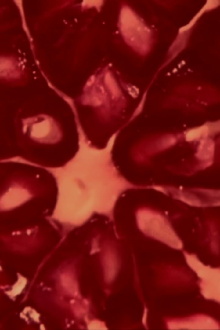
In this highly theatrical TV production, Monteiro again draws on the world of folklore – and, more precisely, on the widespread sexual connotation of the pomegranate – to tell a tale of love, envy, treason and mistaken/double identities.
A 19th-century widow has to make an impossible choice when, during an especially cruel winter, a foreign ship sinks off the coast of her Icelandic fishing village.
Basque Country, Spain, 1843. A police constable arrives at a small village in Álava to investigate a mysterious blacksmith who lives alone deep in the woods.
During a moonlit night, Sine vanishes after childbirth, leaving her husband Magnus devastated. A haunting exploration of Sine's past, unearths the traumatic events that connected her to the selkie realm - a world of mythical creatures who transform from seals into humans by shedding their skins.
Padraig, a guilt laden and grief stricken man seeks the help of an eccentric carpenter, John, to help him build a coffin for his already dead and buried wife.
When a single mother begins to experience symptoms of the stigmata, she seeks the help of a local priest and nun to help her understand what is seen and unseen.
Aarya leaves her family in the city to pursue her passion for the arts. She is gifted a red scarf, and is haunted by a Churail; a demonic and malevolent South Asian Witch.
Alternative movies trailers for The Love of the Three Pomegranates
More movie trailers, teasers, and clips from The Love of the Three Pomegranates:
The Love of the Three Pomegranates (1979)
João César Monteiro. O Amor das Três Romãs.
Popular movie trailers from 1979
These some of the most viewed trailers for movies released in 1979:
During the time of the Peasants' Wars, the free knight Götz von Berlichingen gets into all kinds of private and political entanglements when he defends the Bishop of Bamberg.
“I don’t drive, but I know people who’ll drive 100 metres to go to the shops. Our society is obsessed with the car, with coming and going, getting somewhere.
Taking the stage with the sun sinking in the West, Cheap Trick opened their Reading Festival appearance aptly with the raucous, quick-hittin' action of "Hello There", followed by the power pop rockin' "Come On, Come On".
A remote stone house nestles peacefully on the edge of the Yorkshire moors. In the garden. Faith Armstrong describes the flowers and the late afternoon skies to Jack, her blind husband.