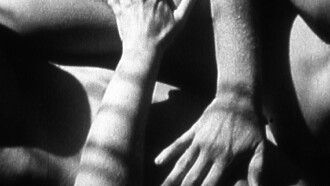
With a video camera, the filmmaker observes piece by piece her body, its forms, movements and sounds. In shots with the forcefulness of graphics, the viewer willing to do so can experience seeing and hearing anew and discover adventure in the everyday.
When churlish mobster Albert Spica acquires an upscale French restaurant in London, he dines there nightly, effectively scaring off the clientele with his bad manners.
A dying man in his forties recalls his childhood, his mother, the war and personal moments that tell of and juxtapose pivotal moments in Soviet history with daily life.
A successful mod photographer in London whose world is bounded by fashion, pop music, marijuana, and easy sex, feels his life is boring and despairing.
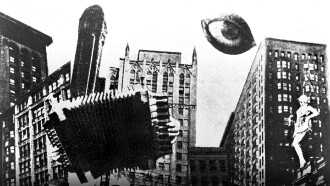
A day in the city of Berlin, which experienced an industrial boom in the 1920s, and still provides an insight into the living and working conditions at that time.
During its 85-minute running time, this jarring experimental film takes a no-holds-barred look at the way women have been treated and depicted in Western art.
Born in Los Angeles but a New Yorker by choice, Barbara Hammer is a whole genre unto herself. Her pioneering 1974 short film Dyketactics, a four-minute, hippie wonder consisting of frolicking naked women in the countryside, broke new ground for its exploration of lesbian identity, desire and aesthetic.
"In medical terminology, absence of genitalia in females is referred to as "gynatresia". In other words, an extreme defect that goes beyond a mere illness" Adachi's follow-up to Bowl using the figure of a woman suffering from an unusual sexual aliment has often been taken as a controversial allegory for the political stalemate of the Leftist student movement after their impressive wave of massive fiery protests failed to defeat the neo-imperialist Japan-US Security Treaty.
Popular movie trailers from 1979
These some of the most viewed trailers for movies released in 1979:
An intellectually-challenged man and woman meet, fall in love, and are determined to get married, despite the initial objections of their families and friends.
“I don’t drive, but I know people who’ll drive 100 metres to go to the shops. Our society is obsessed with the car, with coming and going, getting somewhere.
The Riehl family has recently owned a small house in a new development in the countryside. Mr. Riehl drives into town every morning, where he works in a furniture store.