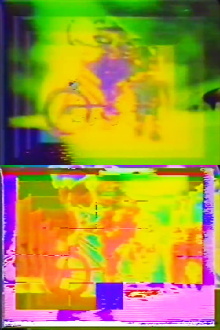
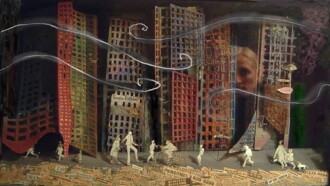
The series, based on the first 16mm film that was shot in a studio with Nakajima’s family and birds, moves through media and processing transformations over many iterations over the years. Once transferred to video, digital effects were added using the “Animaker,” an electronic image synthesizer that he invented (also nicknamed “Ko-puter”). Total of 6 parts exist.
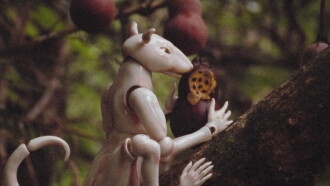
The tropical rainforests of Mexico and Peru. A unique poetic reality. The eternal dance of life and death as experienced by magical creatures of porcelain - animals, birds, insects and flowers – fragile and resilient at the same time.
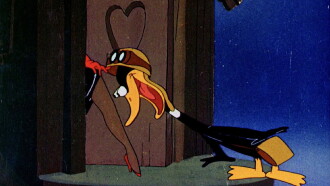
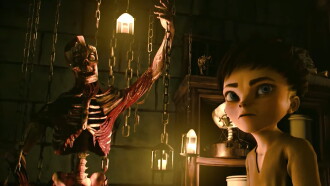
A dark and stormy night in a drugstore. The druggist mixes a potion and falls asleep. The skull-and-crossbones on the bottle comes to life and drips the potion on the druggist.
The Bed opens with Jamie, a young man, looking round an old, deserted country house. Through flashback we see Jamie as a boy, scared out of his wits when his older sister and her boyfriend, left alone in the house to babysit Jamie for the evening, play cruel tricks on him.
Original television production for young people. A dramatically unusual story of the most elusive meeting of former classmates from primary school, who, thanks to their first social experiences, corrected adolescent swarms and clarified their possibilities for real self-employment, their life desires and creative goals in life.
In 1963, living a routine life on Norma Place in Los Angeles, recluse writer Dorothy Parker and bisexual husband Alan Campbell recall their often-rocky relationship, started thirty years earlier.
The second Charles and Diana movie, with two virtual unknowns in the leads: Christopher Baines had acted on the British stage and on the BBC, but Catherine Oxenberg, a U.
Sally (Sally Yeh) is a club singer, caught in a love rectangle between three men: Stone (Kenny Bee), a bank robber newly released from prison, club owner Paul King (Michael Chan Wai-Man) and Pow (Melvin Wong), a policeman.