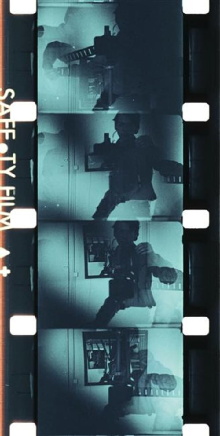
"In the 1990 text on his film Autoportrait au dispositif (1981), Lebrat wrote that all his films are in fact self-portraits, including those that are abstract colour films, and the Rothko's painting are the most beautiful examples of self-portraiture in twentieth century art. lebrat notes that the impetus behind self-portraiture comes out of his desire to create another image of his body, which does not necessarily have to be its representation but can suggest another satte of being, for example the infinite and transcendent state aims at overcoming the problem of corps morcelé and mortal flesh." Izabella Pruska-Oldenhof
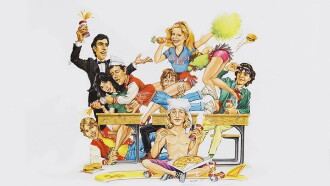
Original television production for young people. A dramatically unusual story of the most elusive meeting of former classmates from primary school, who, thanks to their first social experiences, corrected adolescent swarms and clarified their possibilities for real self-employment, their life desires and creative goals in life.
Sally (Sally Yeh) is a club singer, caught in a love rectangle between three men: Stone (Kenny Bee), a bank robber newly released from prison, club owner Paul King (Michael Chan Wai-Man) and Pow (Melvin Wong), a policeman.
Tomisaburo Wakayama is back with a new take on the classic Yamamoto Shugoro masterpiece “Ame Agaru” as a samurai on the run with his bride who makes a living by challenging dojo masters to a match, then taking money from them to keep quiet about it.
An in-depth look into the making of the film Annie (1982). It covers the adaptation changes from the original Broadway musical, the hiring of director John Huston, the nationwide search to cast the title role, the production process, and the conception of several musical numbers, including a different version of the song "Easy Street" than the one that ended up in the film.
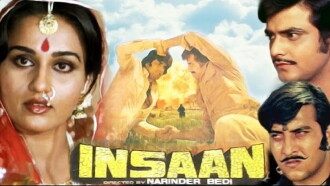
Shankar is a self-starter who is scorned and expelled from the family by his virago stepmother. However, he well-earns with his hard work and lives buoyant with his wife Sona and a child Munna.