"Leiberg embarks on a search for the interaction between painting and improvised music, tinkering with sound collages sets language and sounds against each other (...) Leiberg works with real-movie sequences and uses his pictorial color and form vocabulary as a design element in the film. He primarily uses the resulting films in their capacity as a depot of moving light images in order to project them onto the bodies of dancers in the performances. (Christoph Tannert in "Gegenbilder", p. 39f;)
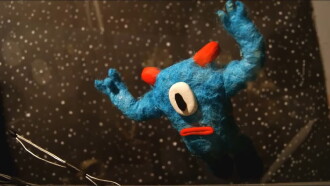
Just before dawn, Boro the Caterpillar hatched from an egg among patches of scrub grass. Looking around for the first time, he noticed the brilliance of the morning sun and a deliciousness in the air.
Xóchitl is an indigenous woman who must fight for her freedom before the birth of her baby, since she finds herself trapped in an abusive relationship.
After accidentally hitting a dog with her car, a woman attempts to take the animal to the vet, but is impeded by the dog's gruesome transformation into a human.
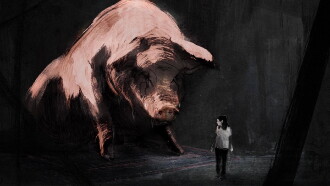
A Holocaust survivor reads a letter he wrote to the pig who saved his life. A young schoolgirl hears his testimony in class and sinks into a twisted dream where she confronts questions of identity, collective trauma, and the extremes of human nature.
When his parents are killed by three men, Amar, Akbar and Anthony, Vijay teams up with a forest officer who was framed in a murder case to avenge their deaths.
In late 19th century Hong Kong, the British may rule the land, but the pirates rule the waters. Coast Guard officer Dragon Ma is determined that his beloved Coast Guard will not be made a fool of.