Arrows uses a combination of live action and rostrum work to communicate the experience of anorexia and to analyse the cultural causes of the condition. 'I am so aware of my body', we are told on the soundtrack, whilst images of caged wild birds are intercut with images of the rib cage of the film's subject, the film-maker herself. The pressures placed upon women to be thin are articulated by an account of a new technique for surgical removal of fat. Once again, a woman who does not conform to male expectations in terms of her body-shape is classified as sick, in need of surgery. The constantly recurring motif of cages, bars and railway lines reiterates the feeling of entrapment throughout the film. Yet, taking the camera into her own hands, and revealing this process to the spectator by using a mirror, the film-maker shows herself in control of this representation of a woman's body.
With moving stories from a range of characters from her Kahnawake Reserve, Mohawk filmmaker, Tracey Deer, reveals the divisive legacy of more than a hundred years of discriminatory and sexist government policy to expose the lingering "blood quantum" ideals, snobby attitudes and outright racism that threaten to destroy the fabric of her community.
Using text from Mexican novelist Carlos Fuentes and ancient Aztec and Mayan poetry, viewers are lead on a visual journey through this country's rich and varied past and present.
An exploration of the 'respectable' and 'immoral' stereotypes of women in Indian society told from the point of view of two striptease dancers in a Bombay cabaret.
Eleven-year-old New York City public school kids journey into the world of ballroom dancing and reveal pieces of themselves and their world along the way.
Rate It X is a bitingly funny and disarming journey through the landscape of American sexism. Men only are interviewed by the two filmmakers in a witty montage of free-wheeling encounters.
Popular movie trailers from 1984
These some of the most viewed trailers for movies released in 1984:
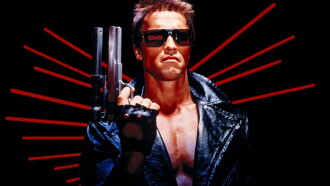
In the post-apocalyptic future, reigning tyrannical supercomputers teleport a cyborg assassin known as the "Terminator" back to 1984 to kill Sarah Connor, whose unborn son is destined to lead insurgents against 21st century mechanical hegemony.
A cruel hitman nicknamed "Kamikaze" uses all kinds of methods to carry out his jobs. One day he will have to face an old enemy who has an old account pending with him.
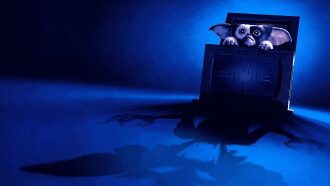
After receiving an exotic small animal as a Christmas gift, a young man inadvertently breaks three important rules concerning his new pet, which unleashes a horde of malevolently mischievous creatures on a small town.
A man wanders out of the desert not knowing who he is. His brother finds him, and helps to pull his memory back of the life he led before he walked out on his family and disappeared four years earlier.
A former Prohibition-era Jewish gangster returns to the Lower East Side of Manhattan over thirty years later, where he once again must confront the ghosts and regrets of his old life.
Cüneyt Arkin is war veteran, now using lots of of alcohol to forget terrible wartime memories. But some drug mafia bastards forces him to take double barreled shotgun and show them what angry Cüneyt is capable of.