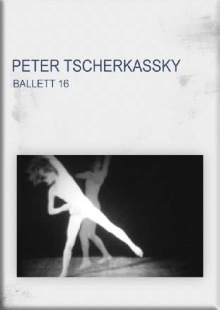
256 frame enlargements of a continuous dance movement were dissected into 16 segments, each consisting of 16 frames. These segments were rearranged and rephotographed frame-by-frame. The resulting synthetic composition of movement was rephotographed off a screen running at twice its normal speed in order to accelerate the final film.
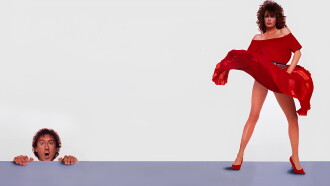
When a happily married family man, who would never consider an affair, meets a beautiful woman in red, he is totally infatuated and desperate to make her acquaintance.
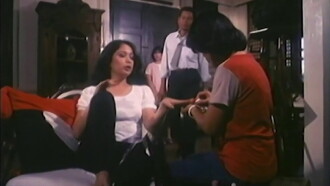
Lauro (Eddie Garcia) is a married man who just loves women. His wife Elena (Gloria Diaz), a beautiful and strong-willed woman is dead set in keeping him from womanizing.
Berlin in the early 1930s. Bello is an unemployed young man who loves the underage Frieda. In order to earn a living for both of them, Frieda goes on the streets.
A young half-breed boy, the son of a hockey player and an Indian woman, is adopted by a Jewish shopkeeper, but finds himself torn between the different cultures with which he comes into contact.
While ill and experiencing some difficulty in completing the editing of this film, Brakhage was reading the Marguerite Young novel, "Miss MacIntosh, My Darling.
Biopic of Saturday Review editor and political journalist Norman Cousins who developed and promoted a self-made health therapy consisting of intake of large quantities of vitamin C and making oneself laugh as much as possible.
"Reverse Television" was created in the mid-1980's by video artist Bill Viola. The 30-second portraits were about portraiture and the idea of a person staring at the viewer (as the viewer stares at the TV screen).
Comments
Have you watched Ballett 16 yet? What did you think about it?