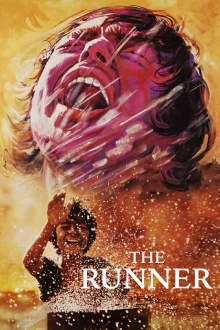
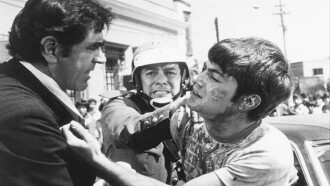
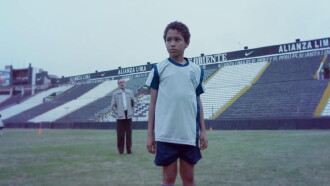
A young orphan named Amiro lives alone in an abandoned tanker in the Iranian port city of Abadan. He survives by shining shoes, selling water, and collecting deposit bottles. Although he sometimes finds himself at odds with both adults and competing older kids, he finds solace in dreams about departing cargo ships and airplanes—and by running.
At her young age, Juana has two great responsibilities: preventing her older sister from fleeing the house and passing on the secret of making bricks to her younger sister.
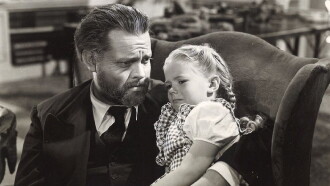
In 1918, Elizabeth MacDonald learns that her husband, John Andrew, has been killed in the war. Elizabeth bears John's son and eventually marries her kindly boss.
A young man journeys from a difficult childhood to maturity, exploring social injustice, personal development, and the complexities of human relationships.
Rouhi, a young bride-to-be, is hired as a maid for an affluent family in Tehran. Upon arriving, she is suddenly thrust into an explosive domestic conflict.
In deep introspection, a Black actor sought for some answer when he found his childhood computer, he explores a video game he started creating when he was 11, when he didn't see himself as being black, but as orange.
A young woman's husband has been imprisoned for a crime he didn't commit. In order to be near him to try to help him get his sentence overturned, she moves into a boardinghouse near the prison whose residents are the wives of inmates.
While ill and experiencing some difficulty in completing the editing of this film, Brakhage was reading the Marguerite Young novel, "Miss MacIntosh, My Darling.
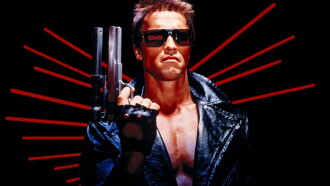
In the post-apocalyptic future, reigning tyrannical supercomputers teleport a cyborg assassin known as the "Terminator" back to 1984 to kill Sarah Connor, whose unborn son is destined to lead insurgents against 21st century mechanical hegemony.
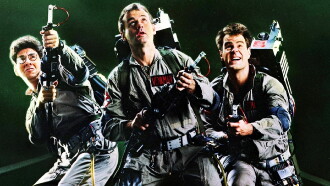
After losing their university jobs, three parapsychologists start a ghost-catching business in New York City and uncover a supernatural threat that could destroy the world.
"Reverse Television" was created in the mid-1980's by video artist Bill Viola. The 30-second portraits were about portraiture and the idea of a person staring at the viewer (as the viewer stares at the TV screen).