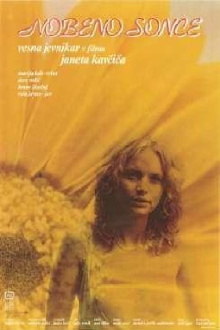
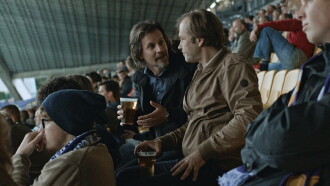
Veronica is a high school student studying to be a glazier, although she dreams of being a theatre actress. The only thing that she finds joy in at school is the company of her friend, Klemen and writing the script for a theatre play in her spare time together with a retired actress whom she has befriended. Her parents find it difficult to understand her acting ambitions - or rather, they would probably find it difficult, if they would bother to take the time off their busy schedules to try. Nor does anyone else understand Veronica. When all her plans go awry, she ends up in a home for juvenile delinquents. When she is released into the custody of her parents again, she eludes their vigilant guard and runs away to the country, to Klemen. Only Klemen's father makes it abundantly clear to her when she gets there that Klemen will not stand by her side either. Veronica finds herself out on the street again, where everything is possible and the future is open to her...
The reconstruction of creation of an influential avantguarde movement called "Novo Mesto Spring" that arrived on Slovenian cultural scene during 1920s.
The film is based on a novel by Ivan Tavcar and was adapted for the screen by Andrej Hieng. It is set at the end of the 17th century in the area that is now Slovenia at a time of religious intolerance with Amandus, a Catholic priest, determined to persecute local Protestants.
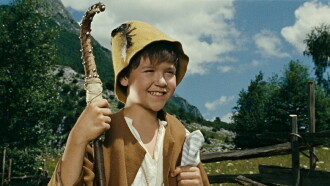
Two boys, Kekec and Rozle, come to serve a farmer, with a blind daughter Mojca, as shepherds. As the night falls, the two boys start talking about a woman who lives in the mountains and is supposed to steal children.
An ex-partisan and current political activist sets out to Styria region in Slovenia to buy out the wheat from peasants and convince them to form the farming collective.
When Dane returns from the army, Vera awaits him at the station, ready to live together with him. Yet beneath the veil of enthusiasm lies anxiety for their future.
In 1940, shortly before the outbreak of war, a young boy Marjan lives a carefree life with his gang in Ljubljana, experiencing all the problems of his age.
Slovenia, Australia and Tomorrow the World is a drama film with elements of comedy. The central character Boris works as a machinery maintenance man in a factory, hoping that his work and efforts will be awarded in the future.
The stories narrated by the film bring together individuals all over the world, spanning over sixty years and thus symbolically covering the approximate period of a single human life.
Popular movie trailers from 1984
These some of the most viewed trailers for movies released in 1984:
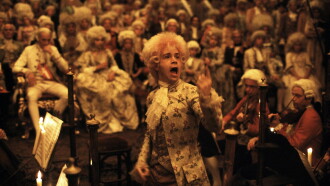
Disciplined Italian composer Antonio Salieri becomes consumed by jealousy and resentment towards the hedonistic and remarkably talented young Salzburger composer Wolfgang Amadeus Mozart.
While ill and experiencing some difficulty in completing the editing of this film, Brakhage was reading the Marguerite Young novel, "Miss MacIntosh, My Darling.
Cüneyt Arkin is war veteran, now using lots of of alcohol to forget terrible wartime memories. But some drug mafia bastards forces him to take double barreled shotgun and show them what angry Cüneyt is capable of.
The criminalist Hannes Bergemann tries to blackmail the city where he spent his youth. After many years returning to the familiar places of his childhood, he hopes to meet again his old friends, especially Fred, Helmuth and Richard, with whom he had a close childhood friendship.
Comments
Have you watched What a Sun yet? What did you think about it?