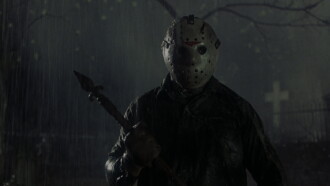
While on vacation, a man takes an excursion to an unfamiliar neighbouring country. There, in the alpine confinement, he finds an ideal echo for the rage he had brought with him: rage towards the mountains, civilisation and mentality. At times, a sense of glee even surfaces with this unbridled rage. He needs these forays into the mountains. He uses his anger to get to the bottom of his discomfort.
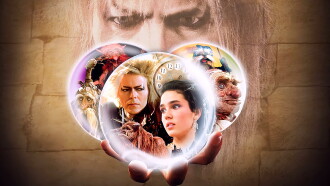
Frustrated with babysitting on yet another weekend night, Sarah, a teenager with an active imagination, summons the Goblins to take her baby stepbrother away.
What are Ilona Herfurt and her boyfriend Dietmar Freistrath doing in the old mine? Where does the money come from that her son Jimmy finds under the newspaper? Where have the unique and intricately carved works of art, often passed down for generations, disappeared to from the village in the Ore Mountains? What do the carver Gerlach and his foster daughter llona have to do with it? Questions upon questions that are burning under the detective's nails.
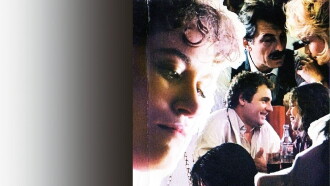
Something very common in our days, an adolescent who does not find communication with her mother or stepfather falls into a depression that drags her down paths of difficult return.
Playwright and director Nils Wijn brings his relationship issues to the stage. In his play "The Whore, the Virgin, and the Dying Man," he has his girlfriend Tessa appear in revealing lingerie and takes her to a real prostitute for some practical lessons.
This film deals with the contrasts of the Wilhelminian era in Berlin: the splendor of the monarchy, the economic and intellectual vitality of the up-and-coming imperial capital on the one hand, and the misery of the proletarians in the tenements on the other.
In this daring follow-up to The History of White People in America, comedian Martin Mull takes us on an in-depth look at such topics as White Religion, White Stress, White Politics, and White Crime.