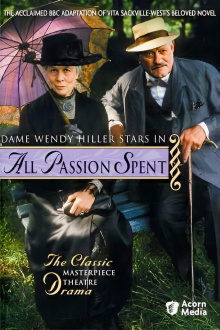
his three-part miniseries begins with elderly Lady Slane (Wendy Hiller) sitting watchfully by the deathbed of her husband. Tended by her equally aged French maid Genoux (Eileen Way), who has served her faithfully for a lifetime, Lady Slane deals with a succession of advice from her large flock of middle-aged children. The family is chagrined by, but honors, her choice to live a modest country retirement at some distance, in Hampstead Heath. Lady Slane competently comes to terms to lease and restore a crumbling house, aided by an aging land agent Gervase Bucktrout (Maurice Denham). Once settled, an acquaintance from 50 years past, Mr. Fitzgeorge (Harry Andrews), visits the cottage to rekindle memories of their brief, deep, but unfulfilled brush as soul-mates in colonial India when Lady Slane was a devoted young wife and mother. Great-granddaughter Deborah (Jane Snowden), who has been trapped by a socially desirable but passionless engagement, regularly visits to confide and seek wisdom.
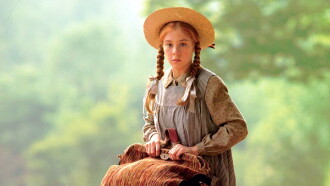
Anne Shirley, an orphan, is fostered by farmer Matthew Cuthbert and his sister Marilla, who were expecting a boy to be sent them to help with their farm work.
At the turn of the sixteenth century, Michelangelo (Mark Frankel), Raphael (Andrea Prodan), and Leonardo Da Vinci (John Glover) create their masterpieces, while dealing with religious persecution, political turmoil, and the discovery of America.
Based on a true story, this film depicts the life of Ted Bundy, the serial killer. In 1974, after having murdered several young women, he leaves Seattle for Utah, where he is a law student and where other girls disappear.
The Herlihys are a working class family from Chicago whose three children take wildly divergent paths: Brian joins the Marines right out of High School and goes to Vietnam, Michael becomes involved in the civil rights movement and after campaigning for Bobby Kennedy and Eugene McCarthy becomes involved in radical politics, and Katie gets pregnant, moves to San Francisco and joins a hippie commune.
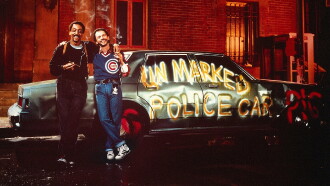
Two street-wise Chicago cops have to shake off some rust after returning from a Key West vacation to pursue a drug dealer that nearly killed them in the past.
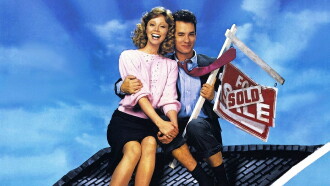
After being evicted from their Manhattan apartment, a couple buy what looks like the home of their dreams—only to find themselves saddled with a bank-account-draining nightmare.
Seymour Krelborn is a nerdy orphan working at Mushnik's, a flower shop in urban Skid Row. He harbors a crush on fellow co-worker, Audrey Fulquard, and is berated by Mr.
For Lieutenant Pete 'Maverick' Mitchell and his friend and co-pilot Nick 'Goose' Bradshaw, being accepted into an elite training school for fighter pilots is a dream come true.
Something very common in our days, an adolescent who does not find communication with her mother or stepfather falls into a depression that drags her down paths of difficult return.
Maria since childhood was directed by her father to become a nun. As a result of her father's cultivation of a rigid appreciation, Maria always feels awkward, including the delinquency that is common for a girl.
What are Ilona Herfurt and her boyfriend Dietmar Freistrath doing in the old mine? Where does the money come from that her son Jimmy finds under the newspaper? Where have the unique and intricately carved works of art, often passed down for generations, disappeared to from the village in the Ore Mountains? What do the carver Gerlach and his foster daughter llona have to do with it? Questions upon questions that are burning under the detective's nails.
The weekly brass band rehearsal is an enjoyable, light-hearted occasion. Then Mathew, the conductor, introduces James, a newcomer to the village, who is an enthusiastic bandsman from the north, where they do these things properly.
Comments
Have you watched All Passion Spent yet? What did you think about it?