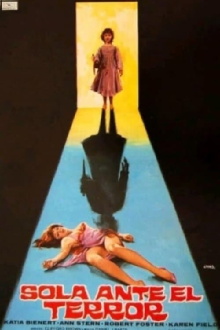
Melissa is a paralysed woman who is being taken care of by her two sisters. Their father was mysteriously killed when she was still a child. Somehow Melissa got it in her head, that her father is still able to speak to her, and wants her to punish those responsible for his death.
Maria since childhood was directed by her father to become a nun. As a result of her father's cultivation of a rigid appreciation, Maria always feels awkward, including the delinquency that is common for a girl.
The weekly brass band rehearsal is an enjoyable, light-hearted occasion. Then Mathew, the conductor, introduces James, a newcomer to the village, who is an enthusiastic bandsman from the north, where they do these things properly.
A film portrait that falls somewhere between a painting and a prose poem, a look at a woman’s daily routines and thoughts via an exploration of her as a “character”.
The true story of a pair of college students who attempted a double suicide to end their doomed romance becomes fare for legendary pinku-eiga director Hisayasu Sato in this feature.
Plumber Martin and his younger colleague Frank are on call on Christmas Eve of all days. Frank's girlfriend Regina, who is expecting her first baby at any moment, is anything but thrilled.
Something very common in our days, an adolescent who does not find communication with her mother or stepfather falls into a depression that drags her down paths of difficult return.
In this film, Humbert is on the trail of his own history. Wolfsgrub is the name of the house where Humbert's mother lives, and though she is getting on in years, she becomes young again as she answers her son's questions.
This film deals with the contrasts of the Wilhelminian era in Berlin: the splendor of the monarchy, the economic and intellectual vitality of the up-and-coming imperial capital on the one hand, and the misery of the proletarians in the tenements on the other.