In 1980, a company in Berlin-Kreuzberg sold its factory premises to 30 alternative projects that wanted to try out self-management and alternative forms of work. The documentary film attempts to show the extent to which these aspirations were realized; it describes the problems and forms of self-management and the initial difficulties that Mehringhof had, particularly with its financial backers.
In this film, Humbert is on the trail of his own history. Wolfsgrub is the name of the house where Humbert's mother lives, and though she is getting on in years, she becomes young again as she answers her son's questions.
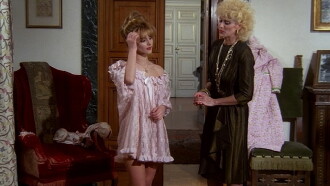
Playwright and director Nils Wijn brings his relationship issues to the stage. In his play "The Whore, the Virgin, and the Dying Man," he has his girlfriend Tessa appear in revealing lingerie and takes her to a real prostitute for some practical lessons.
The weekly brass band rehearsal is an enjoyable, light-hearted occasion. Then Mathew, the conductor, introduces James, a newcomer to the village, who is an enthusiastic bandsman from the north, where they do these things properly.
This film deals with the contrasts of the Wilhelminian era in Berlin: the splendor of the monarchy, the economic and intellectual vitality of the up-and-coming imperial capital on the one hand, and the misery of the proletarians in the tenements on the other.