Mahir and Gülsen's daughter Çiğdem and Basri's son Uğur are married and expecting a child. They invite their families over for dinner to share the good news. After dinner, Çiğdem and Uğur announce the news, and everyone is happy except Mahir. Gülsen wants to bring Çiğdem to their home to take care of her during her pregnancy, but Mahir objects. The two families meet again at the children's home. Basri wants to build a house for his children and have them live close to him, but Mahir objects to Gülsen's insistence. However, the children refuse because they have already moved into a house through a cooperative.
This film deals with the contrasts of the Wilhelminian era in Berlin: the splendor of the monarchy, the economic and intellectual vitality of the up-and-coming imperial capital on the one hand, and the misery of the proletarians in the tenements on the other.
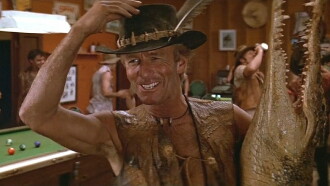
When a New York reporter plucks crocodile hunter Mick Dundee from the Australian Outback for a visit to the Big Apple, it's a clash of cultures and a recipe for good-natured comedy as naïve Dundee negotiates the concrete jungle.
Beate Klarsfeld, a German Protestant housewife, who, with the help of her Jewish law-student husband, Serge, begins an unrelenting campaign after World War II to bring Nazi war criminals to justice.
Jessica's promising debut as a young artist is shattered by a sudden and violent death. She escapes into a restless succession of journeys whose encounters along the way bring humour, some comfort, but also danger.
In this film, Humbert is on the trail of his own history. Wolfsgrub is the name of the house where Humbert's mother lives, and though she is getting on in years, she becomes young again as she answers her son's questions.
In this daring follow-up to The History of White People in America, comedian Martin Mull takes us on an in-depth look at such topics as White Religion, White Stress, White Politics, and White Crime.
Comments
Have you watched Bebek Davası yet? What did you think about it?