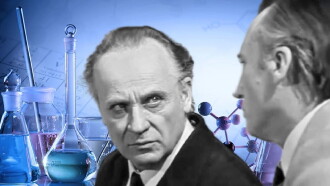
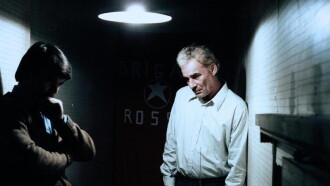
A short film on famine that forms a part of a trilogy of short films (along with Agami by Morshedul Islam and Hooliya by Tanvir Mokammel) that kickstarted the Bangladesh Alternative Film Movement
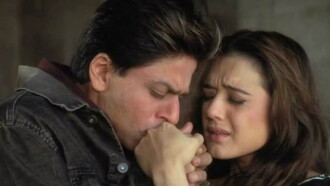
Squadron Leader Veer Pratap Singh, a pilot in the Indian Air Force, rescues the stranded Zaara, a woman from Pakistan, following a bus accident, and their lives are forever bound.
"Behadd" reflects upon the relationship dynamics of a 'Parent' and a 'Child', and shows how their love for one another becomes the cause of their heartache and the reflection of 'selflessness' verses 'selfishness' in Love.
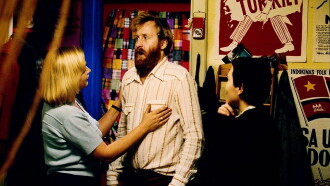
Elisabeth leaves her abusive and drunken husband Rolf, and goes to live with her brother, Göran. The year is 1975 and Göran lives in a commune called Together.
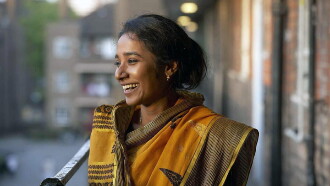
The grind of daily life as a Brick Lane Bangladessi as seen through the eyes of Nazneen (Chatterjee), who at 17 enters an arranged marriage with Chanu (Kaushik).
In Pakistan, veils hide one of the country's most terrible secrets. Driven by revenge, jealousy or sexual non-co-operation some men subject their wives to horrific attacks with acid that is freely available in the street.
Plumber Martin and his younger colleague Frank are on call on Christmas Eve of all days. Frank's girlfriend Regina, who is expecting her first baby at any moment, is anything but thrilled.
Milly and Louis, and their recently-widowed mom, Charlene, move to a new neighborhood. Once there, they all deal with a variety of personal problems, but Milly finds a friend in Eric, her autistic next door neighbor.
On March 16, 1978, far-left terrorists of the Red Brigades kidnap Aldo Moro, leader of the Christian Democracy, the ruling party in Italy since the end of WWII.
25 years ago a mother and father went missing and were presumed murdered on Wolfe Island and their bodies never found, and now a tabloid journalist and a woman who may have a connection to the Island are out to find out Whodunit?
Beate Klarsfeld, a German Protestant housewife, who, with the help of her Jewish law-student husband, Serge, begins an unrelenting campaign after World War II to bring Nazi war criminals to justice.
Comments
Have you watched Chakki yet? What did you think about it?