A warehouse of the imaginary, a library of vision, a labyrinth of dreams: this, and much more, is the Museo Nazionale del Cinema. From the magic lanterns to the rotoscopes, from the archive footages of the Torino relics at the time of Pastrone, “Occhi che videro” reconstructs an atmosphere of magic and allure of the visual utopias before the Lumière brothers that any technologic marvel will ever be able reach. But the film is first of all an homage to the founder of the Museum: Maria Adriana Prolo.
The true story of a pair of college students who attempted a double suicide to end their doomed romance becomes fare for legendary pinku-eiga director Hisayasu Sato in this feature.
In this daring follow-up to The History of White People in America, comedian Martin Mull takes us on an in-depth look at such topics as White Religion, White Stress, White Politics, and White Crime.
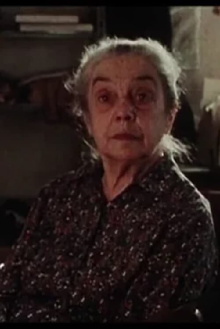
In this film, Humbert is on the trail of his own history. Wolfsgrub is the name of the house where Humbert's mother lives, and though she is getting on in years, she becomes young again as she answers her son's questions.
Ripley, the sole survivor of the Nostromo's deadly encounter with the monstrous Alien, returns to Earth after drifting through space in hypersleep for 57 years.
Beate Klarsfeld, a German Protestant housewife, who, with the help of her Jewish law-student husband, Serge, begins an unrelenting campaign after World War II to bring Nazi war criminals to justice.
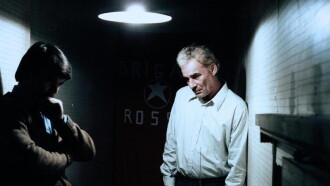
On March 16, 1978, far-left terrorists of the Red Brigades kidnap Aldo Moro, leader of the Christian Democracy, the ruling party in Italy since the end of WWII.
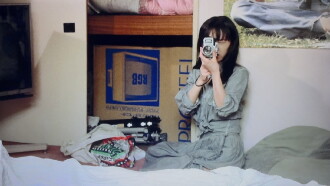
A film portrait that falls somewhere between a painting and a prose poem, a look at a woman’s daily routines and thoughts via an exploration of her as a “character”.
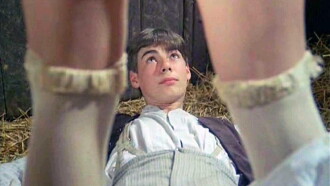
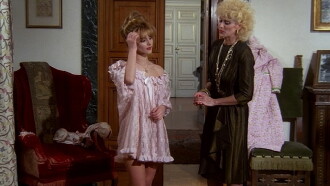
In 1914, sixteen year old Roger returned home from boarding school during vacation to find his puberty hit hard in a house filled with beautiful women.