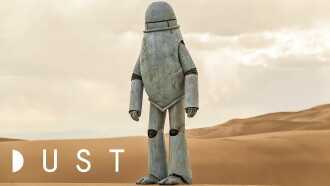
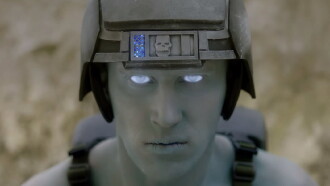
"We Were Not Made For This World” is a existential sci-fi short film directed by Los Angeles-based filmmaker Colin West McDonald, based on a comic of the same name by cartoonist Paul Hornschemeier that features a rapidly declining robot wandering aimlessly through the desert.
On the night of their 20th anniversary, Emelia discovers a deeply hidden secret about her husband’s identity through a pair of VR glasses, buried inside of him since before the two met.
Burr creates a slow, liminal illusion in black-and-white, switching perspectives and matrices and crescendo-ing in time with Christopher Doulgeris’ portentously pulsating soundtrack.
A sequel to the 2011 "Going to the Store" and 2013 "Late for Meeting" animated short films, which feature a silly, disjointed journey in the traditions of dadaism and surreal humor in film.
The imagined perpetrator in a famously unsolved true-crime case, “Who Put Bella Down the Wych Elm”, is confronted about his past by an unearthly Bison in this Stop-Motion animated short film.
While all the inhabitants of a small rural village are working hard to survive the harsh daily routine, the mayor and his wife are gorging themselves to death.
Sewage worker Roy Dreary and an assortment of odd characters meet up with some cute and cuddly extraterrestrials traveling to earth in a giant pie in the sky.
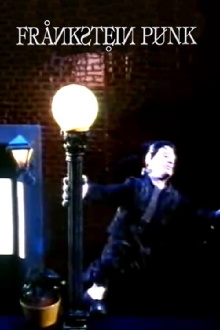
Alternative movies trailers for Frankenstein Punk
More movie trailers, teasers, and clips from Frankenstein Punk:
final de Frankenstein Punk 1986 Cao Hamburguer e Eliana Fonseca
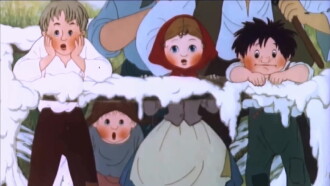
FRANKENSTEIN PUNK (1986) é um filme de Cao Hamburger e Eliana Fonseca.
Popular movie trailers from 1986
These some of the most viewed trailers for movies released in 1986:
Maria since childhood was directed by her father to become a nun. As a result of her father's cultivation of a rigid appreciation, Maria always feels awkward, including the delinquency that is common for a girl.
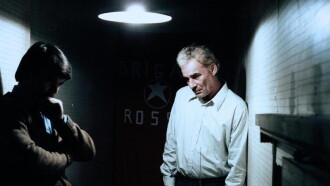
On March 16, 1978, far-left terrorists of the Red Brigades kidnap Aldo Moro, leader of the Christian Democracy, the ruling party in Italy since the end of WWII.
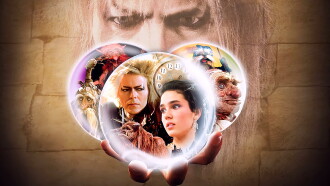
Frustrated with babysitting on yet another weekend night, Sarah, a teenager with an active imagination, summons the Goblins to take her baby stepbrother away.
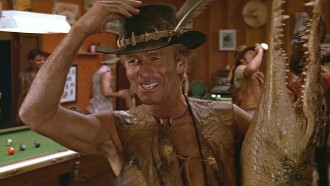
When a New York reporter plucks crocodile hunter Mick Dundee from the Australian Outback for a visit to the Big Apple, it's a clash of cultures and a recipe for good-natured comedy as naïve Dundee negotiates the concrete jungle.
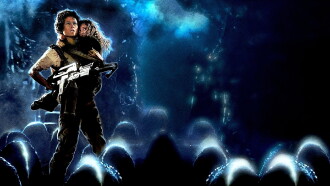
Ripley, the sole survivor of the Nostromo's deadly encounter with the monstrous Alien, returns to Earth after drifting through space in hypersleep for 57 years.
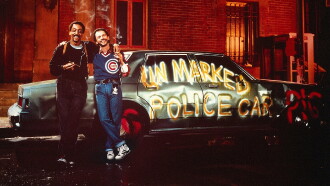
Two street-wise Chicago cops have to shake off some rust after returning from a Key West vacation to pursue a drug dealer that nearly killed them in the past.
Comments
Have you watched Frankenstein Punk yet? What did you think about it?