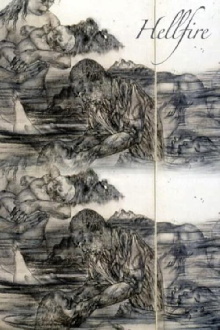
Japanese husband and wife muralists Iri and Toshi Maruki are known for their depictions of the destruction of Hiroshima and Nagasaki. Their collaborative relationship is unique: one paints a painfully detailed vision of the victims of the atomic blast; the other conceals the carefully delineated brush strokes with a grey-black ink “wash.” The first artist restates the specifics of the image; the second re-conceals. Through the repetition of this process, the work emerges.
What are Ilona Herfurt and her boyfriend Dietmar Freistrath doing in the old mine? Where does the money come from that her son Jimmy finds under the newspaper? Where have the unique and intricately carved works of art, often passed down for generations, disappeared to from the village in the Ore Mountains? What do the carver Gerlach and his foster daughter llona have to do with it? Questions upon questions that are burning under the detective's nails.
Beate Klarsfeld, a German Protestant housewife, who, with the help of her Jewish law-student husband, Serge, begins an unrelenting campaign after World War II to bring Nazi war criminals to justice.
Ripley, the sole survivor of the Nostromo's deadly encounter with the monstrous Alien, returns to Earth after drifting through space in hypersleep for 57 years.
Maria since childhood was directed by her father to become a nun. As a result of her father's cultivation of a rigid appreciation, Maria always feels awkward, including the delinquency that is common for a girl.