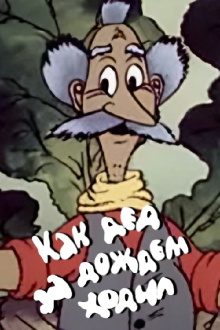
A fairy tale about the adventures of a brave, resourceful man, about his encounter with lightning, a thunderstorm, and a storm. They help him get rain and save the harvest from drought.
In stop-motion animation, a wardrobe moves through the countryside. It arrives in a house, a child's voice recites Lewis Carroll's "Jabberwocky," and various objects, such as toys and dolls, move about, disintegrate, and play out archetypal scenes.
Living in a strict and very regulated world, a man has to hide his homosexuality and dance, dance, until the moment he finds the strength to face these rules and reveal who he really is.
A man plays the Bach piece of the title on the organ, accompanied by images of stone walls with cracks and holes that grow and shrink, intercut with images of doors and wire-meshed windows.
In this daring follow-up to The History of White People in America, comedian Martin Mull takes us on an in-depth look at such topics as White Religion, White Stress, White Politics, and White Crime.
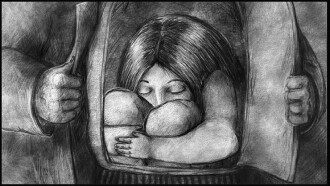
A film portrait that falls somewhere between a painting and a prose poem, a look at a woman’s daily routines and thoughts via an exploration of her as a “character”.
The weekly brass band rehearsal is an enjoyable, light-hearted occasion. Then Mathew, the conductor, introduces James, a newcomer to the village, who is an enthusiastic bandsman from the north, where they do these things properly.
25 years ago a mother and father went missing and were presumed murdered on Wolfe Island and their bodies never found, and now a tabloid journalist and a woman who may have a connection to the Island are out to find out Whodunit?
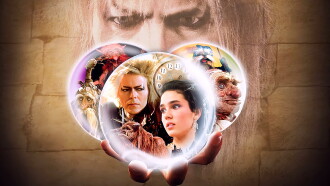
Frustrated with babysitting on yet another weekend night, Sarah, a teenager with an active imagination, summons the Goblins to take her baby stepbrother away.
Comments
Have you watched How the Old Man Went for the Rain yet? What did you think about it?