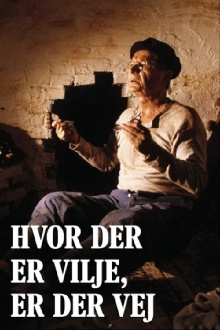
During Christmas week in 1949, escape artist Carl August Lorentzen was on the run after digging his way out of Horsens Prison. The TV movie follows the legendary escape minute by minute.
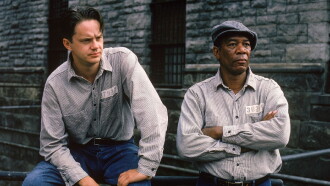
Imprisoned in the 1940s for the double murder of his wife and her lover, upstanding banker Andy Dufresne begins a new life at the Shawshank prison, where he puts his accounting skills to work for an amoral warden.
The true story of how businessman Oskar Schindler saved over a thousand Jewish lives from the Nazis while they worked as slaves in his factory during World War II.
The true story of pianist Władysław Szpilman's experiences in Warsaw during the Nazi occupation. When the Jews of the city find themselves forced into a ghetto, Szpilman finds work playing in a café; and when his family is deported in 1942, he stays behind, works for a while as a laborer, and eventually goes into hiding in the ruins of the war-torn city.
Two warriors in pursuit of a stolen sword and a notorious fugitive are led to an impetuous, physically-skilled, teenage nobleman's daughter, who is at a crossroads in her life.
A chronicle of country music legend Johnny Cash's life, from his early days on an Arkansas cotton farm to his rise to fame with Sun Records in Memphis, where he recorded alongside Elvis Presley, Jerry Lee Lewis and Carl Perkins.
When Lucy Honeychurch and chaperon Charlotte Bartlett find themselves in Florence with rooms without views, fellow guests Mr Emerson and son George step in to remedy the situation.
What are Ilona Herfurt and her boyfriend Dietmar Freistrath doing in the old mine? Where does the money come from that her son Jimmy finds under the newspaper? Where have the unique and intricately carved works of art, often passed down for generations, disappeared to from the village in the Ore Mountains? What do the carver Gerlach and his foster daughter llona have to do with it? Questions upon questions that are burning under the detective's nails.
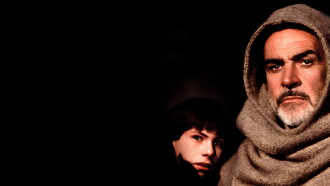
14th-century Franciscan monk William of Baskerville and his young novice arrive at a conference to find that several monks have been murdered under mysterious circumstances.
Plumber Martin and his younger colleague Frank are on call on Christmas Eve of all days. Frank's girlfriend Regina, who is expecting her first baby at any moment, is anything but thrilled.
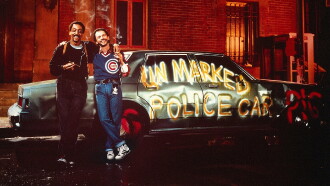
Two street-wise Chicago cops have to shake off some rust after returning from a Key West vacation to pursue a drug dealer that nearly killed them in the past.