Maria since childhood was directed by her father to become a nun. As a result of her father's cultivation of a rigid appreciation, Maria always feels awkward, including the delinquency that is common for a girl.
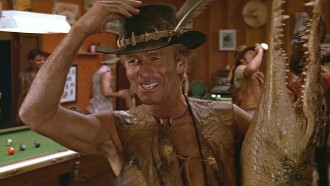
When a New York reporter plucks crocodile hunter Mick Dundee from the Australian Outback for a visit to the Big Apple, it's a clash of cultures and a recipe for good-natured comedy as naïve Dundee negotiates the concrete jungle.
The weekly brass band rehearsal is an enjoyable, light-hearted occasion. Then Mathew, the conductor, introduces James, a newcomer to the village, who is an enthusiastic bandsman from the north, where they do these things properly.
Plumber Martin and his younger colleague Frank are on call on Christmas Eve of all days. Frank's girlfriend Regina, who is expecting her first baby at any moment, is anything but thrilled.
After being evicted from their Manhattan apartment, a couple buy what looks like the home of their dreams—only to find themselves saddled with a bank-account-draining nightmare.
Comments
Have you watched It Was, It Was, as if It Never Was yet? What did you think about it?