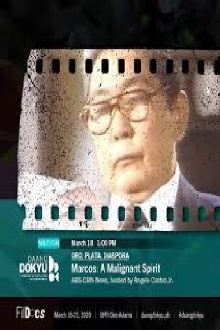
Containing rare footage and recorded conversations, this documentary about "the plunder of a nation" hosted by ABS-CBN's Angelo Castro, Jr. looks into "the inhuman manner in which Marcos and his henchmen systematically drained the economy in their greedy and unrelenting quest for fortune.
This documentary follows Juan Carlos's life through archive footage and exclusive interviews with the king himself giving his opinion and thoughts to the way history played out.
World War II was not just the most destructive conflict in humanity, it was also the greatest theft in history: lives, families, communities, property, culture and heritage were all stolen.
Images of Argentinian companies and factories in the first light of day, seen from the inside of a car, while the director reads out documents in voiceover that reveals the collusion of the same concerns in the military dictatorship’s terror.
It follows Chilean writer Antonio Skármeta as he celebrates the end of the autocrats. Cheerful farewell rituals accompany others facing political persecution on their way to fly home.
Two Danish comedians join the director on a trip to North Korea, where they have been allowed access under the pretext of wanting to perform a vaudeville act.
Popular movie trailers from 1986
These some of the most viewed trailers for movies released in 1986:
The true story of a pair of college students who attempted a double suicide to end their doomed romance becomes fare for legendary pinku-eiga director Hisayasu Sato in this feature.
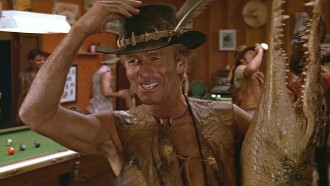
When a New York reporter plucks crocodile hunter Mick Dundee from the Australian Outback for a visit to the Big Apple, it's a clash of cultures and a recipe for good-natured comedy as naïve Dundee negotiates the concrete jungle.
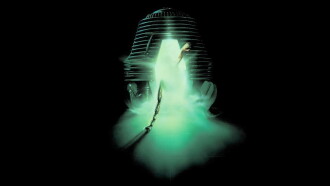
Ripley, the sole survivor of the Nostromo's deadly encounter with the monstrous Alien, returns to Earth after drifting through space in hypersleep for 57 years.