The violent text resonates with the harsh energy of the music videos—for instance Powietrza (More Air), 1986, in which the band frantically cries for oxygen in then politically oppressive Poland. Robakowski’s recurrent appearance in his own videos could easily be seen as narcissistic, but his collaboration with Mowska demonstrates where his allegiances lie—with the rebellious spirits.
The weekly brass band rehearsal is an enjoyable, light-hearted occasion. Then Mathew, the conductor, introduces James, a newcomer to the village, who is an enthusiastic bandsman from the north, where they do these things properly.
When Lucy Honeychurch and chaperon Charlotte Bartlett find themselves in Florence with rooms without views, fellow guests Mr Emerson and son George step in to remedy the situation.
Writes Viola: "Sodium Vapor was recorded over a period of several weeks in the hours between one and five in the morning on the streets of an industrial area in lower Manhattan.
In this daring follow-up to The History of White People in America, comedian Martin Mull takes us on an in-depth look at such topics as White Religion, White Stress, White Politics, and White Crime.
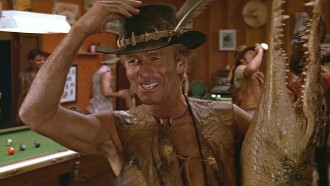
When a New York reporter plucks crocodile hunter Mick Dundee from the Australian Outback for a visit to the Big Apple, it's a clash of cultures and a recipe for good-natured comedy as naïve Dundee negotiates the concrete jungle.
Comments
Have you watched More Air! yet? What did you think about it?