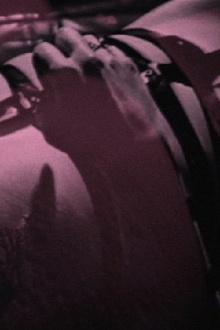
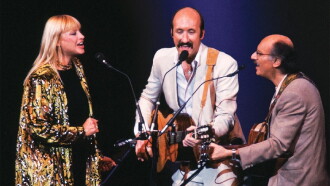
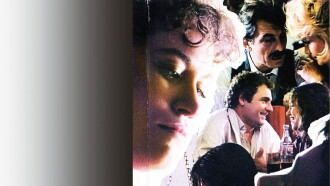
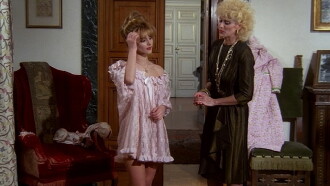
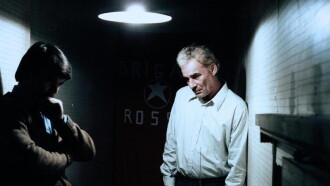
A film by Cosey Fanni Tutti, originally commissioned for the Taboo Festival of Eroticism on the 6th March 1986. Statement: Expression of oneself and of the hidden voice so seldom heard or heeded is an action of unequal power. Releasing and acknowledging all that you are to yourself allows growth of spirit. Creativity on every level begins with ourselves. Suppression brings us only screaming souls locked within empty lives. I wish for every voice to be heard, even as a whisper... Cosey Fanni Tutti 1986
A film portrait that falls somewhere between a painting and a prose poem, a look at a woman’s daily routines and thoughts via an exploration of her as a “character”.
Something very common in our days, an adolescent who does not find communication with her mother or stepfather falls into a depression that drags her down paths of difficult return.
Writes Viola: "Sodium Vapor was recorded over a period of several weeks in the hours between one and five in the morning on the streets of an industrial area in lower Manhattan.
Plumber Martin and his younger colleague Frank are on call on Christmas Eve of all days. Frank's girlfriend Regina, who is expecting her first baby at any moment, is anything but thrilled.
On March 16, 1978, far-left terrorists of the Red Brigades kidnap Aldo Moro, leader of the Christian Democracy, the ruling party in Italy since the end of WWII.
Comments
Have you watched Pussy Got the Cream yet? What did you think about it?