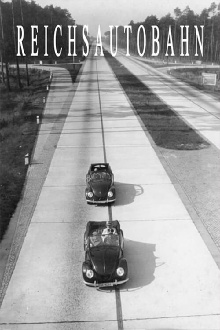
While working on "Deutschlandbilder" (1983), Hartmut Bitomsky was examining film material produced by the Nazi regime when he came across an abundance of footage documenting the planning and construction of motorways. In this found footage documentary he investigates what this material actually says: the motorway is stylized within it as a promise of progress and modernity, a "lifeline of the nation", less a straightforward piece of infrastructure than a prestige object, a work of art.
Writes Viola: "Sodium Vapor was recorded over a period of several weeks in the hours between one and five in the morning on the streets of an industrial area in lower Manhattan.
After being evicted from their Manhattan apartment, a couple buy what looks like the home of their dreams—only to find themselves saddled with a bank-account-draining nightmare.
Beate Klarsfeld, a German Protestant housewife, who, with the help of her Jewish law-student husband, Serge, begins an unrelenting campaign after World War II to bring Nazi war criminals to justice.
The weekly brass band rehearsal is an enjoyable, light-hearted occasion. Then Mathew, the conductor, introduces James, a newcomer to the village, who is an enthusiastic bandsman from the north, where they do these things properly.
The true story of a pair of college students who attempted a double suicide to end their doomed romance becomes fare for legendary pinku-eiga director Hisayasu Sato in this feature.