A young carpenter is in love with a girl from the village of Erhai but she wants a wealthier suitor while another girl loves the carpenter but knows he doesn't love her.
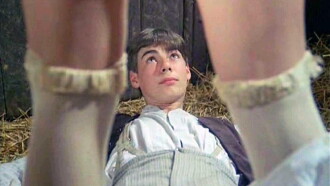
In 1914, sixteen year old Roger returned home from boarding school during vacation to find his puberty hit hard in a house filled with beautiful women.
Something very common in our days, an adolescent who does not find communication with her mother or stepfather falls into a depression that drags her down paths of difficult return.
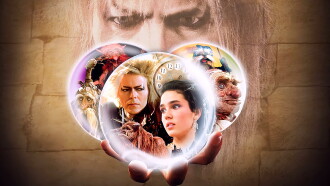
Frustrated with babysitting on yet another weekend night, Sarah, a teenager with an active imagination, summons the Goblins to take her baby stepbrother away.
The weekly brass band rehearsal is an enjoyable, light-hearted occasion. Then Mathew, the conductor, introduces James, a newcomer to the village, who is an enthusiastic bandsman from the north, where they do these things properly.
A film portrait that falls somewhere between a painting and a prose poem, a look at a woman’s daily routines and thoughts via an exploration of her as a “character”.
What are Ilona Herfurt and her boyfriend Dietmar Freistrath doing in the old mine? Where does the money come from that her son Jimmy finds under the newspaper? Where have the unique and intricately carved works of art, often passed down for generations, disappeared to from the village in the Ore Mountains? What do the carver Gerlach and his foster daughter llona have to do with it? Questions upon questions that are burning under the detective's nails.
In this daring follow-up to The History of White People in America, comedian Martin Mull takes us on an in-depth look at such topics as White Religion, White Stress, White Politics, and White Crime.