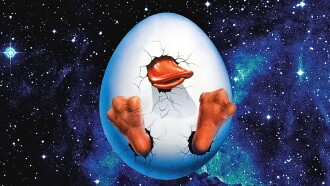
In short sequences of images pointedly set to music by Louis Armstrong, the film follows the pleasurable triumph of young life over the obstacles of setting out into the world. As short as the film is and as curious its contents, the chequered story of its working and release titles is just as interesting. In 1987, the industry magazine “Film und Fernsehen” presented it simply as “A DEFA film by”. The text printed there ends with a sentence in brackets: (And many a viewer may marvel at the courage of the little ducklings and feel encouraged themselves.)
The weekly brass band rehearsal is an enjoyable, light-hearted occasion. Then Mathew, the conductor, introduces James, a newcomer to the village, who is an enthusiastic bandsman from the north, where they do these things properly.
In this daring follow-up to The History of White People in America, comedian Martin Mull takes us on an in-depth look at such topics as White Religion, White Stress, White Politics, and White Crime.
This film deals with the contrasts of the Wilhelminian era in Berlin: the splendor of the monarchy, the economic and intellectual vitality of the up-and-coming imperial capital on the one hand, and the misery of the proletarians in the tenements on the other.
Playwright and director Nils Wijn brings his relationship issues to the stage. In his play "The Whore, the Virgin, and the Dying Man," he has his girlfriend Tessa appear in revealing lingerie and takes her to a real prostitute for some practical lessons.
Writes Viola: "Sodium Vapor was recorded over a period of several weeks in the hours between one and five in the morning on the streets of an industrial area in lower Manhattan.
Ripley, the sole survivor of the Nostromo's deadly encounter with the monstrous Alien, returns to Earth after drifting through space in hypersleep for 57 years.