The Blooms of Banjeli documents research in Banjeli, Togo on iron-smelting technology, its rituals, and the sexual prohibitions surrounding it. Including rare historical footage from the same village in 1914, it provides a unique technological record of the traditional method of preparing a furnace to smelt iron. This documentary offers an interesting approach to our understanding of the relationship between conceptions of gender and technology in traditional African society. The people of Banjeli liken the furnace to a woman's body, which is 'impregnated' by the smelter. The process of smelting is compared to that of giving birth, the furnace being the womb and the iron bloom, the newborn.
An exploration of Soviet director Sergei Eisenstein's notes and drawings for a science fiction movie that he pitched to Paramount in 1930 about the residents of a skyscraper with walls and floors of clear glass.
Sicilian photojournalist Letizia Battaglia began a long battle against the ruthless Cosa Nostra when she first photographed the sinister scene of a brutal murder.
A cautionary tale for these times of democracy in crisis—the personal and political fuse to explore one of the most dramatic periods in Brazilian history.
The saga of a movie treatment written by German playwright Bertolt Brecht during his unhappy stint in Hollywood based on a Life Magazine article about a farm family who win a week's stay in a model home at the Ohio State Fair, with the catch that they will be on display to the public.
This playful video from famed director and photographer Tracey Moffatt turns the tables on traditional representations of desire to examine the power of the female gaze in the objectification of men’s bodies.
Set deep in the traditional territory of Tahltan First Nation, Northern British Columbia’s Red Chris gold and copper mine is the backdrop to a lyrical tapestry of landscapes and diverse personal stories from the land.
Popular movie trailers from 1986
These some of the most viewed trailers for movies released in 1986:
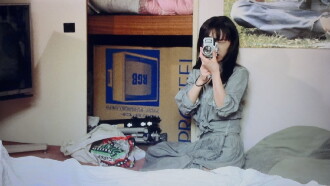
Imagine a surreal narrative, without dialogue, in a style reminiscent of the 1920s silent era and seen through the lens of moving voyeuristic camera that records the odd whereabouts of an unseemly group of marginal tenants.
The true story of a pair of college students who attempted a double suicide to end their doomed romance becomes fare for legendary pinku-eiga director Hisayasu Sato in this feature.
Beate Klarsfeld, a German Protestant housewife, who, with the help of her Jewish law-student husband, Serge, begins an unrelenting campaign after World War II to bring Nazi war criminals to justice.
25 years ago a mother and father went missing and were presumed murdered on Wolfe Island and their bodies never found, and now a tabloid journalist and a woman who may have a connection to the Island are out to find out Whodunit?
Maria since childhood was directed by her father to become a nun. As a result of her father's cultivation of a rigid appreciation, Maria always feels awkward, including the delinquency that is common for a girl.
After being evicted from their Manhattan apartment, a couple buy what looks like the home of their dreams—only to find themselves saddled with a bank-account-draining nightmare.